XGain Project Final Demo in Isles of Scilly
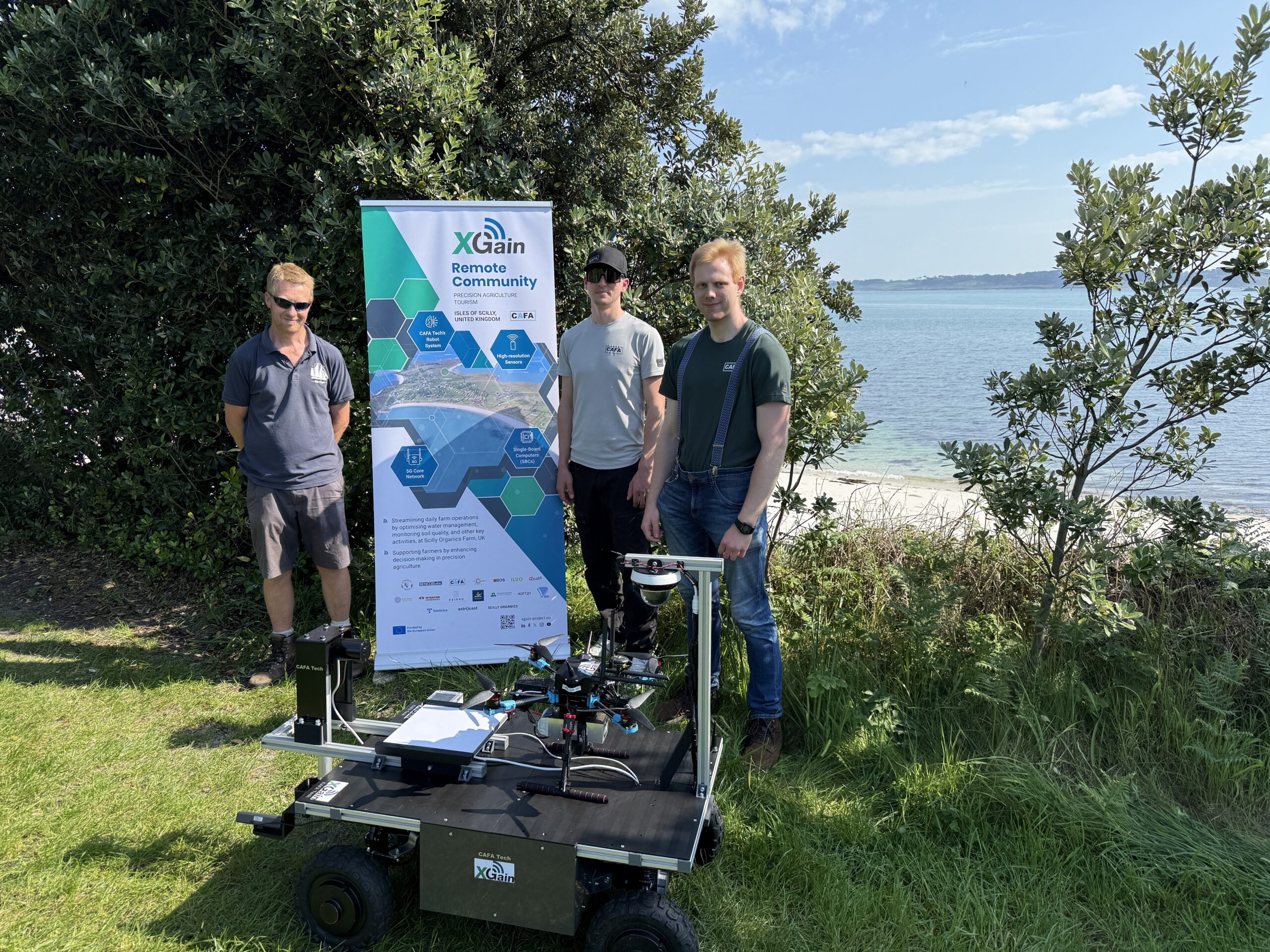
Horizon Europe Research & Innovation project XGain aims to bring connectivity solutions to rural areas that do not have a reliable internet connection. A notable statistic is that-, only 60% rural European households have high-speed internet, compared to the EU average of 86%. This is crucial because limited digital opportunities translate to limited socio-economic opportunities for people in rural areas. Improving internet accessibility and connectivity is essential to reduce social and regional disparities- a goal at the heart of the XGain project.
As a partner in the XGain project, CAFA Tech developed a multi-robot system that would be a versatile assistant for farmers in rural areas that lack high-speed and reliable internet connections. To ensure that the system responds to real world needs, CAFA Tech partnered up with a farm that does not have high-speed internet connection – Scilly Organics, a small-scale vegetable farm on the remote Isles of Scilly, UK. The input given from Scilly Organics proved to be vital for the system’s research and development.
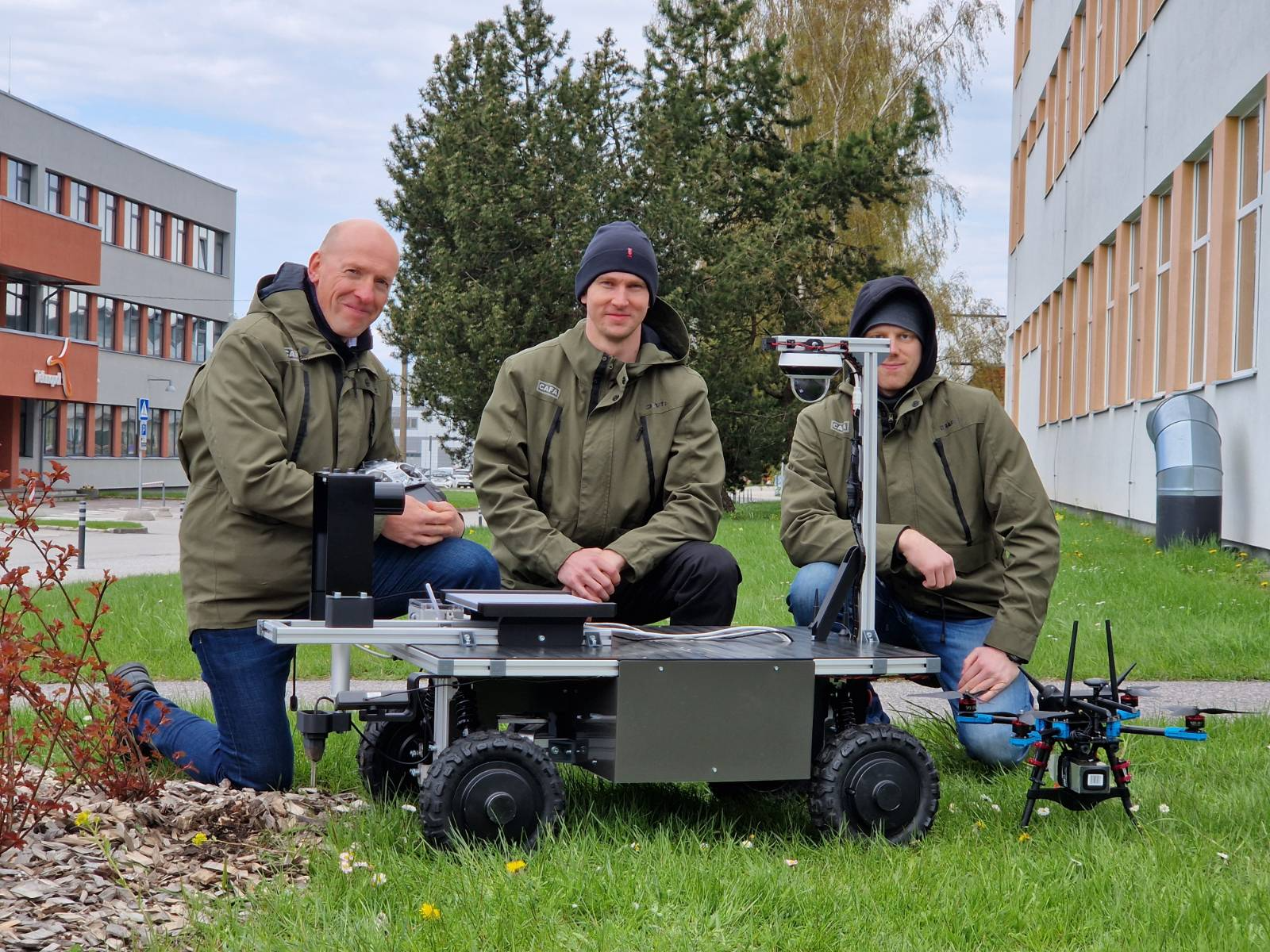
The robot was developed in Estonia, at the CAFA Tech office in Tallinn. Its concept was based on the following key requirements:
- The robot must have good soil permeability and maneuverability.
- It must be modular, meaning it can be adapted for different operations.
- It should have the capability to connect to the Internet in order to transmit measurement results and camera images.
- It must be equipped with a soil sensor capable of performing measurements at various locations.
The unmanned ground vehicle (UGV) was designed according to these specifications.
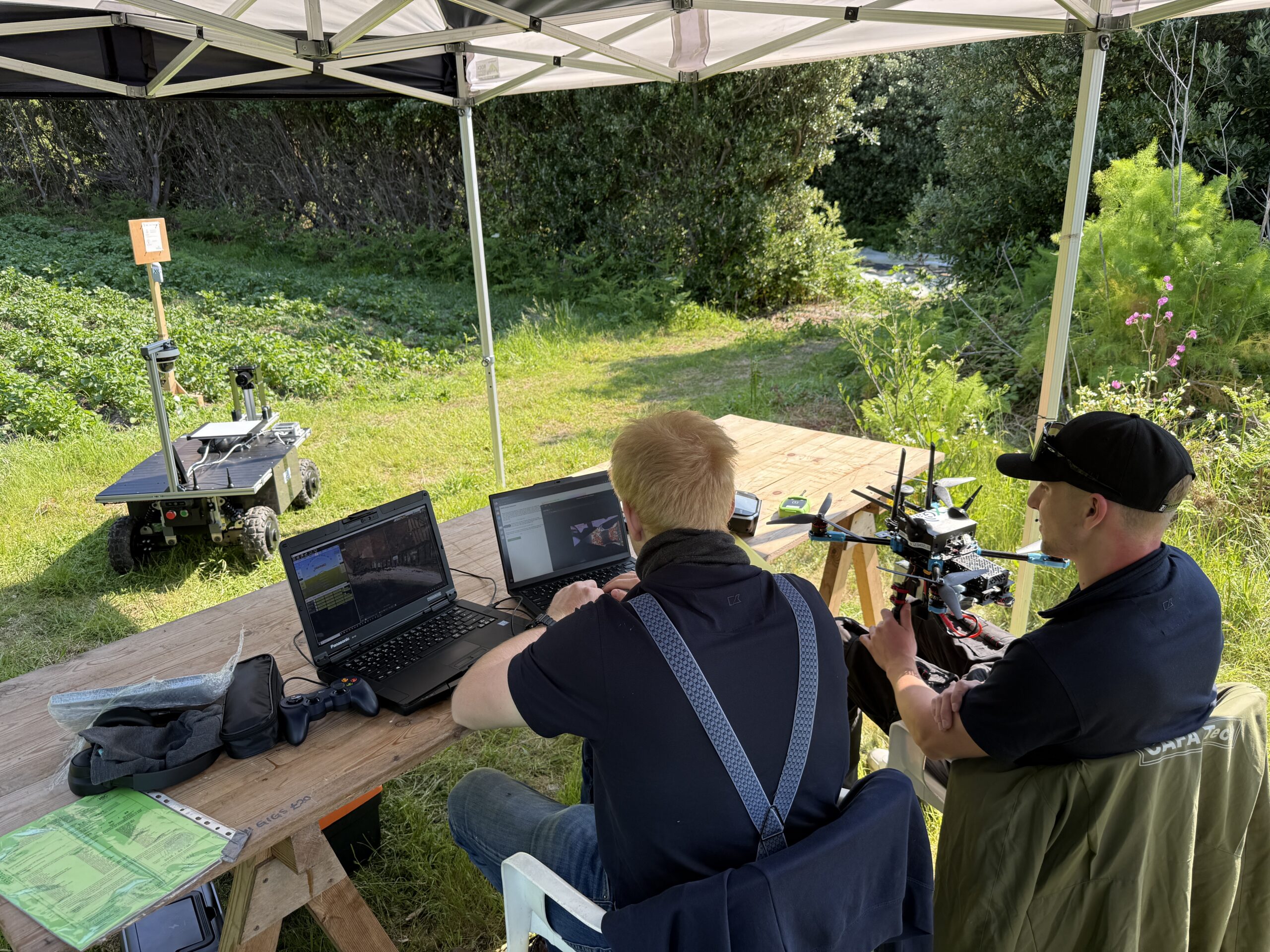
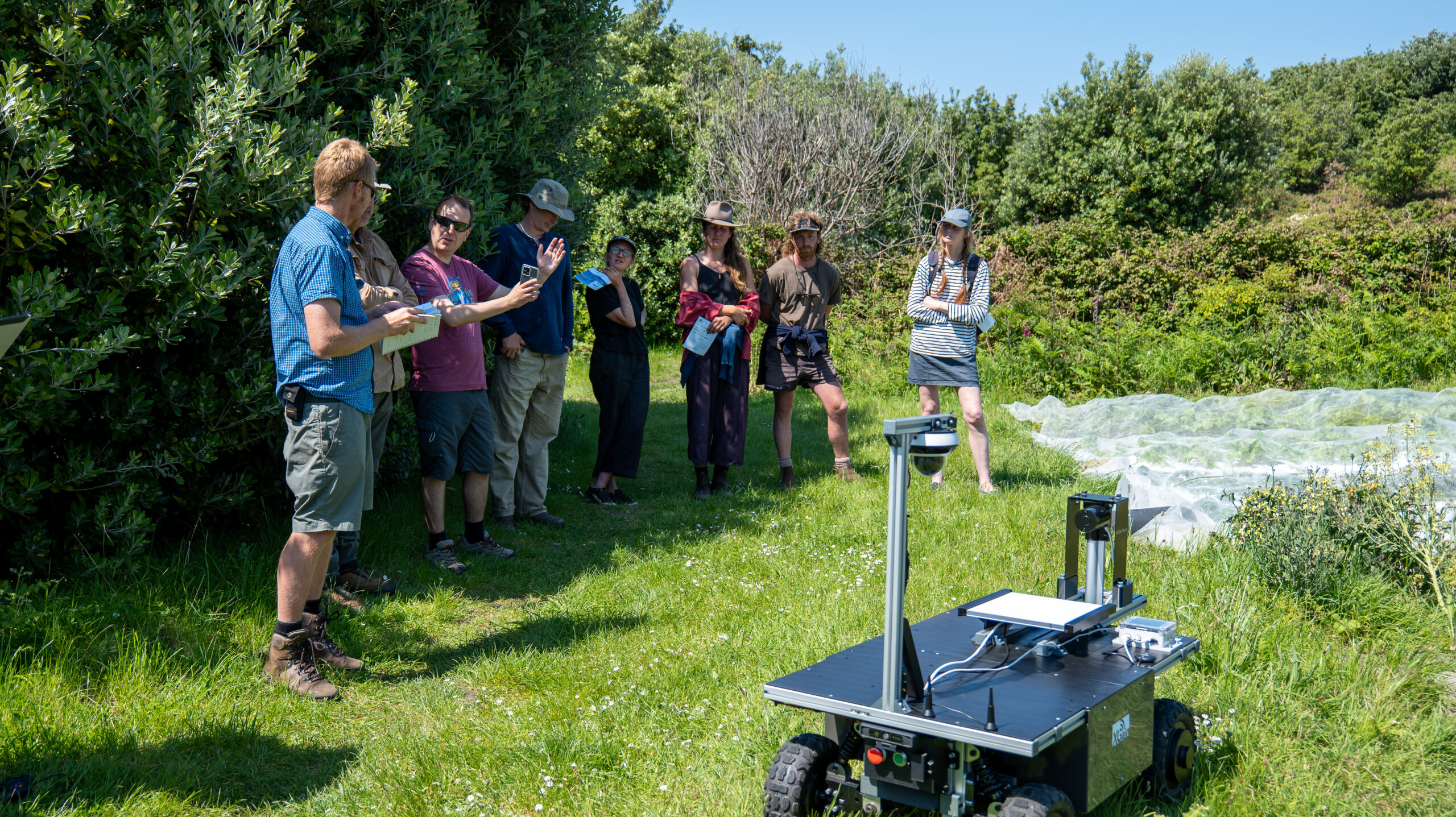
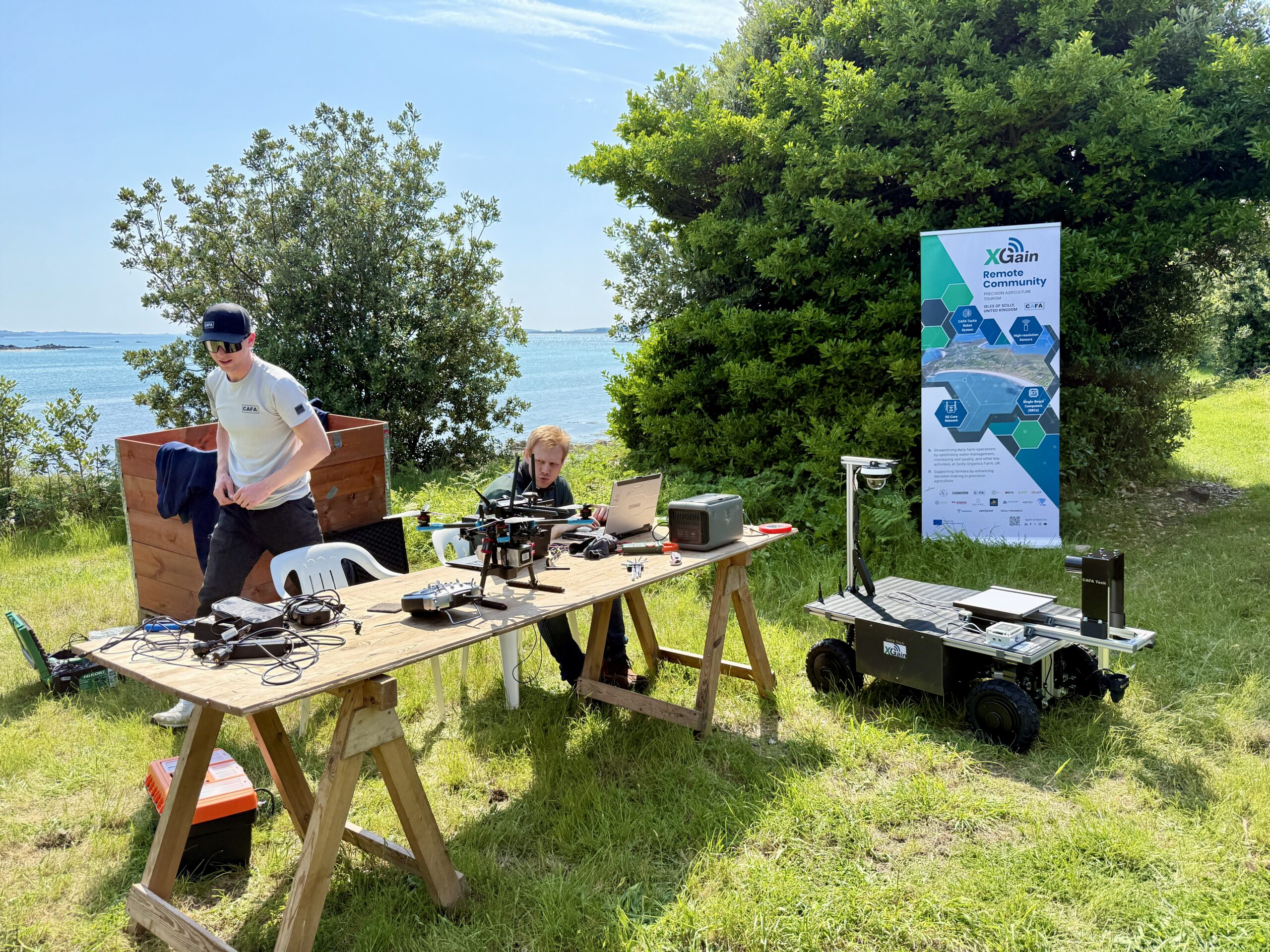
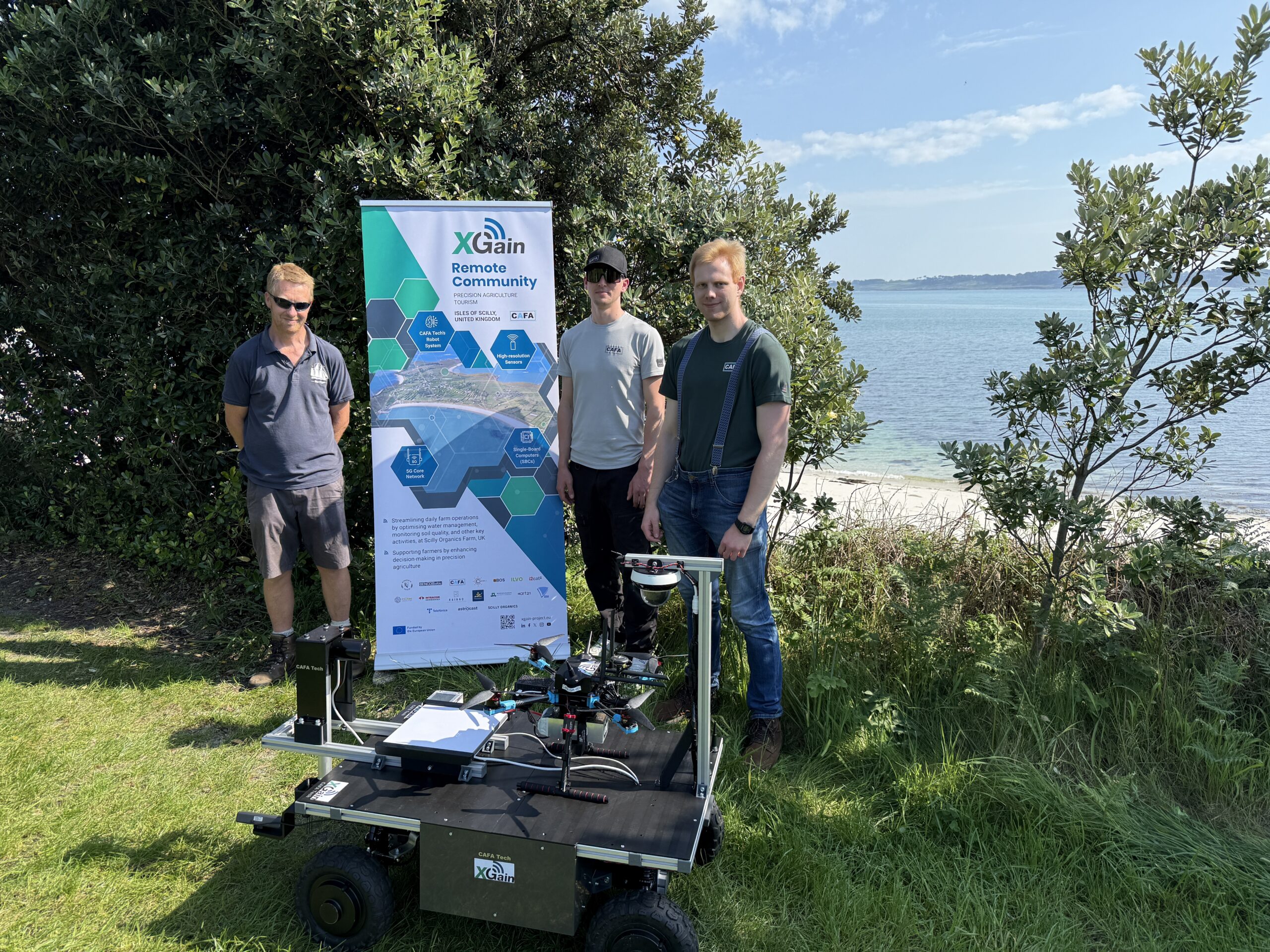
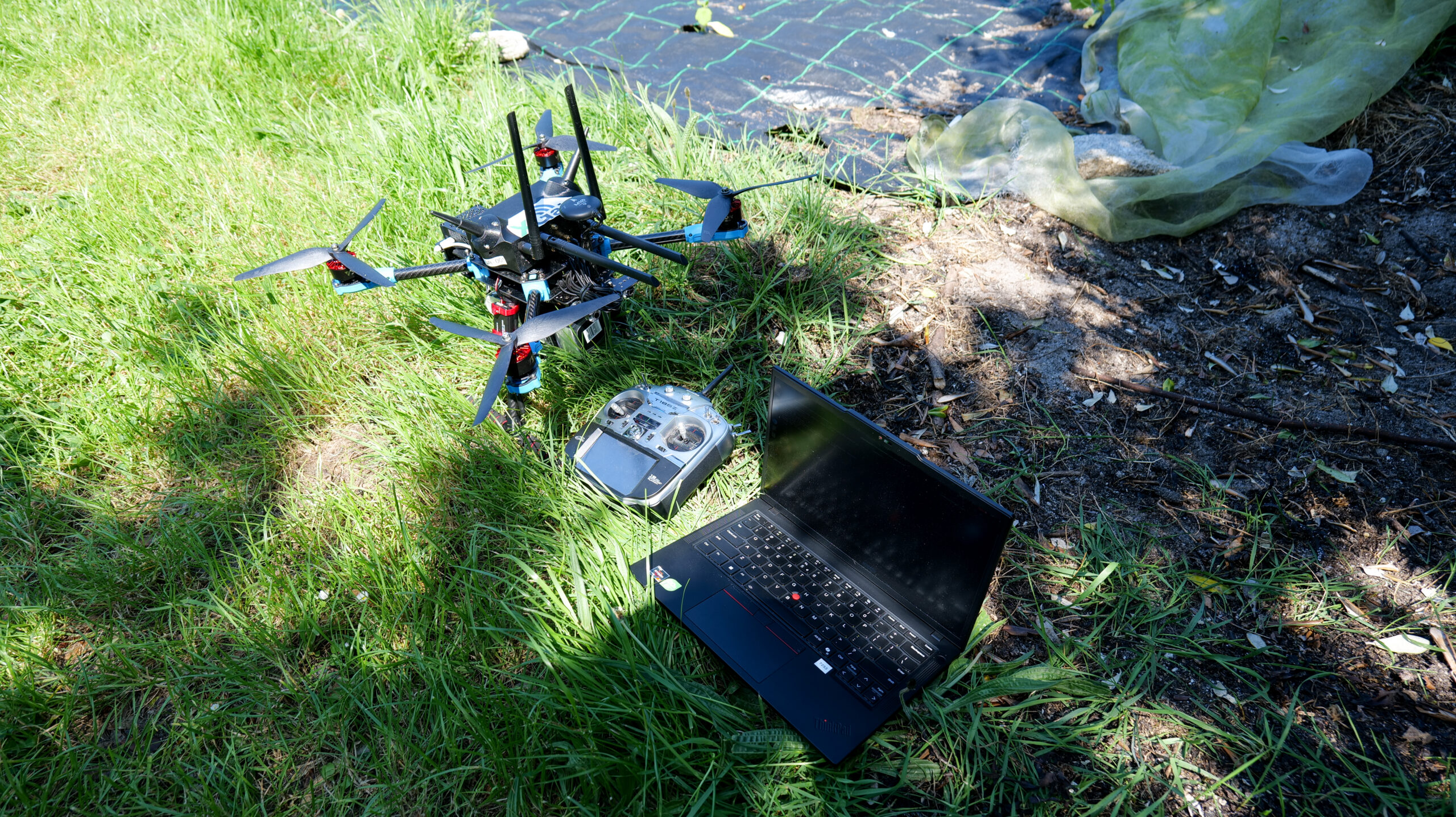
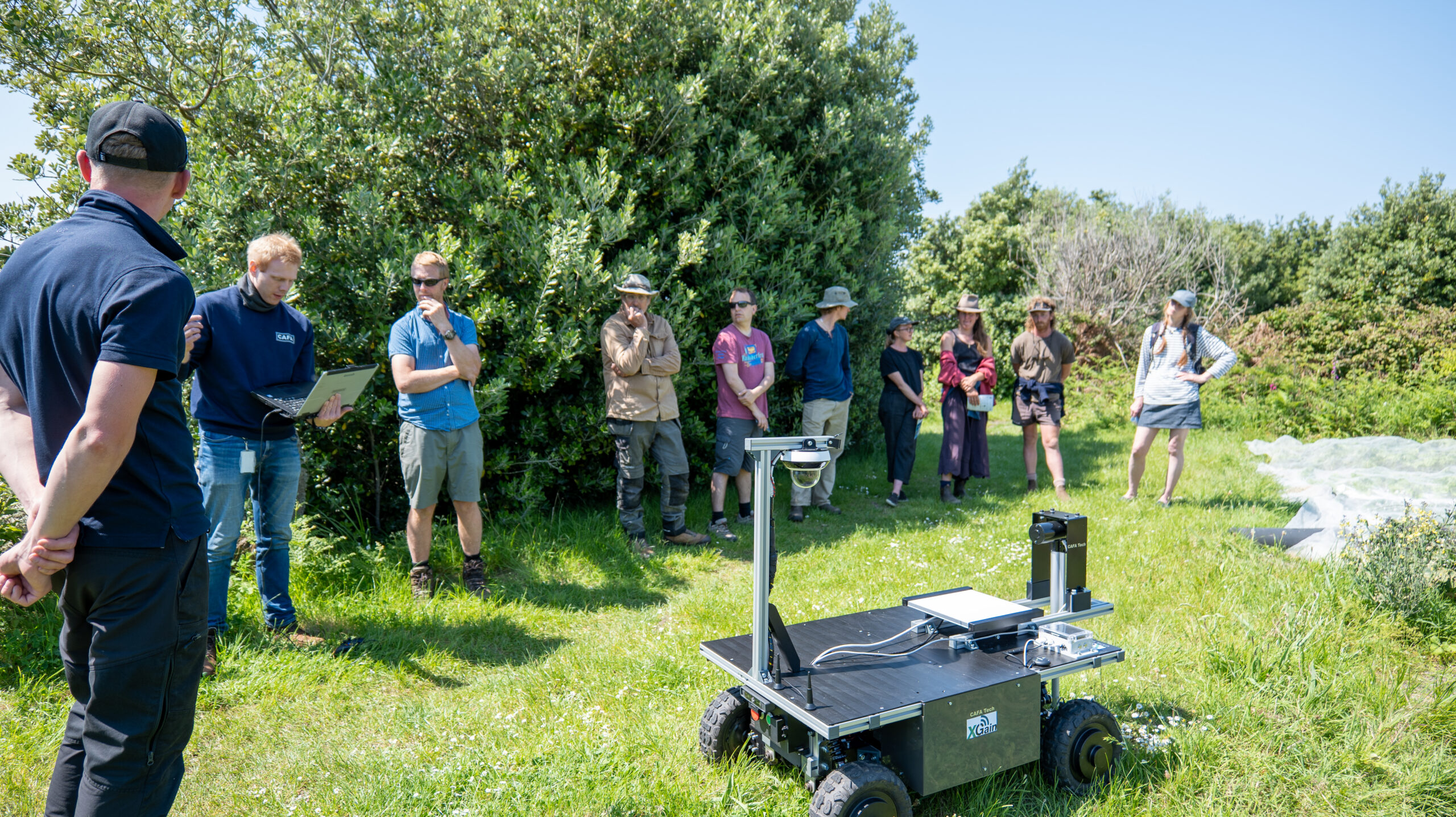
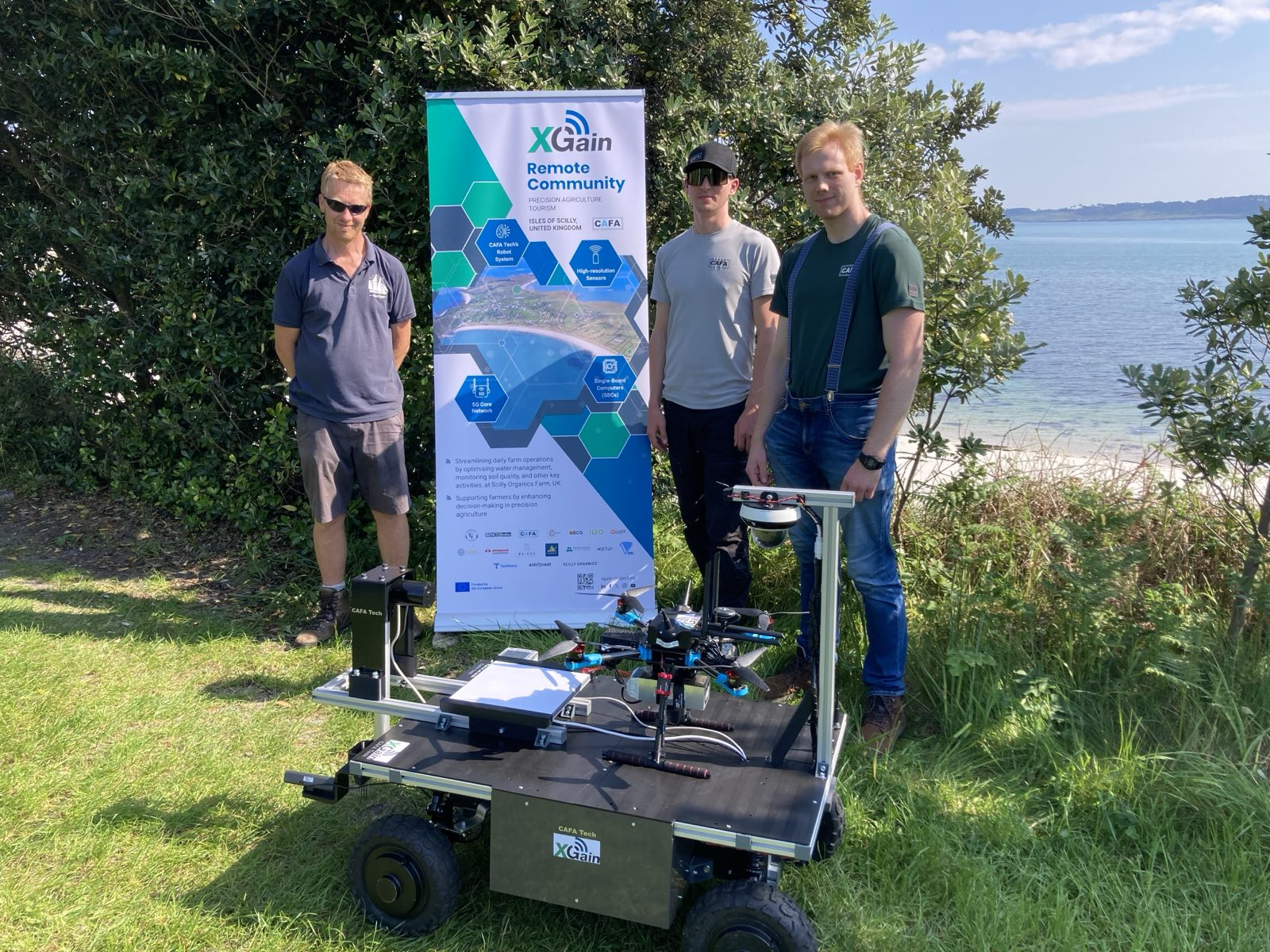
The robot features four-wheel drive and measures 1.1 meters in length, 0.7 meters in width, and 0.4 meters in height. It weighs 80 kilograms. It is equipped with cameras that provide 360-degree visibility. For Internet connectivity, the drone was equipped with a Wi-Fi router to share a network connection. For the second option we used a Starlink router, which was mounted onto UGV.
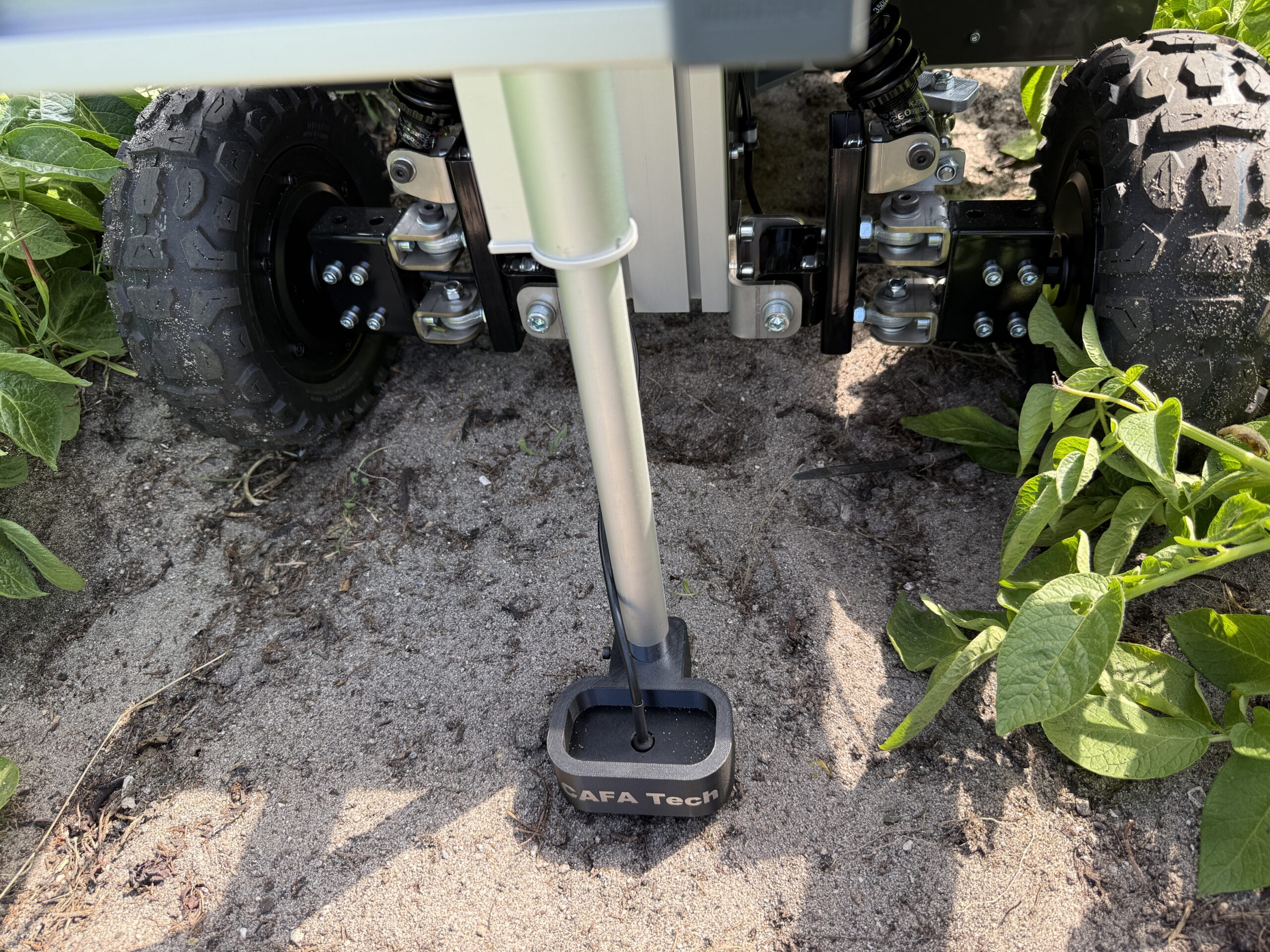
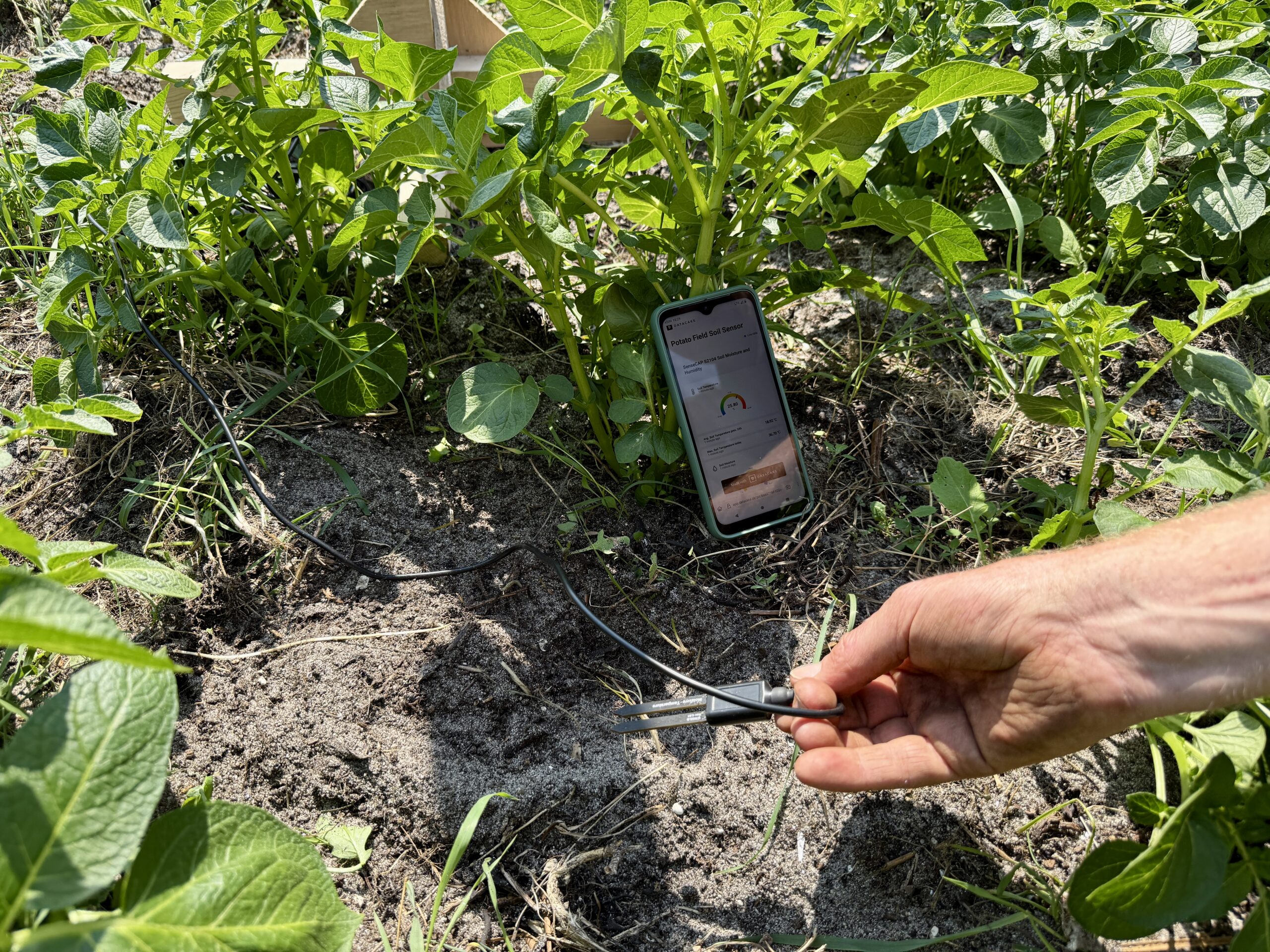
A linear actuator is installed on the robot to push the soil sensor into the ground, allowing it to collect data, which is then transmitted to a cloud database.
Before the main demonstration, preliminary tests were conducted in Estonia to validate the capabilities of both the robot and the drone. All the scenarios planned for the main demo were tested beforehand in Estonia to ensure thorough preparation.
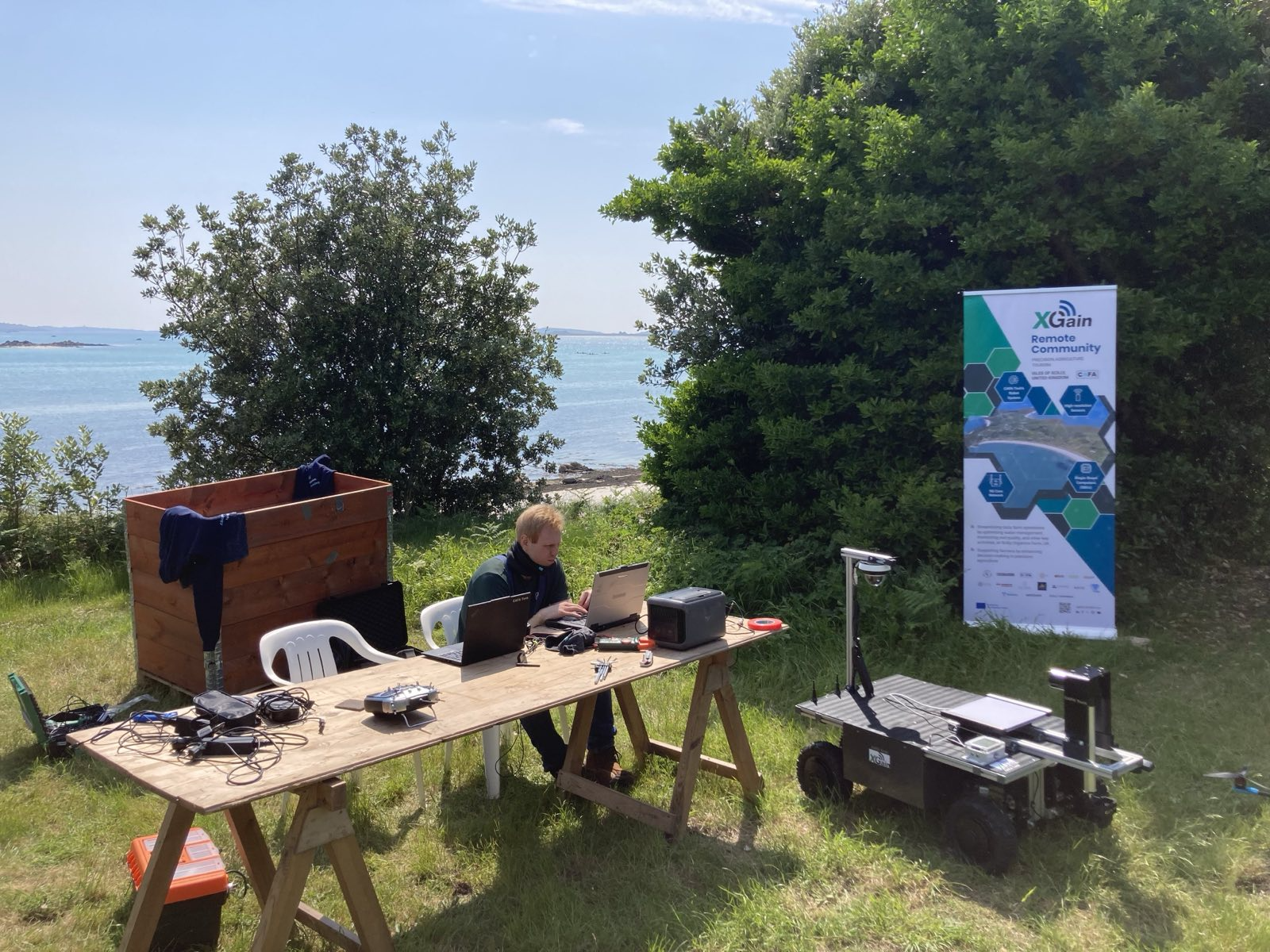
Approximately two weeks before the demo, the robot and drone were shipped to England on a Euro pallet. The human team travelled from Tallinn to St. Margit Island using a combination of planes, trains, and ships, a journey that took over 24 hours. Upon arrival, the CAFA team had 1.5 days to unpack and set up the robot and drone before the start of the demonstration.
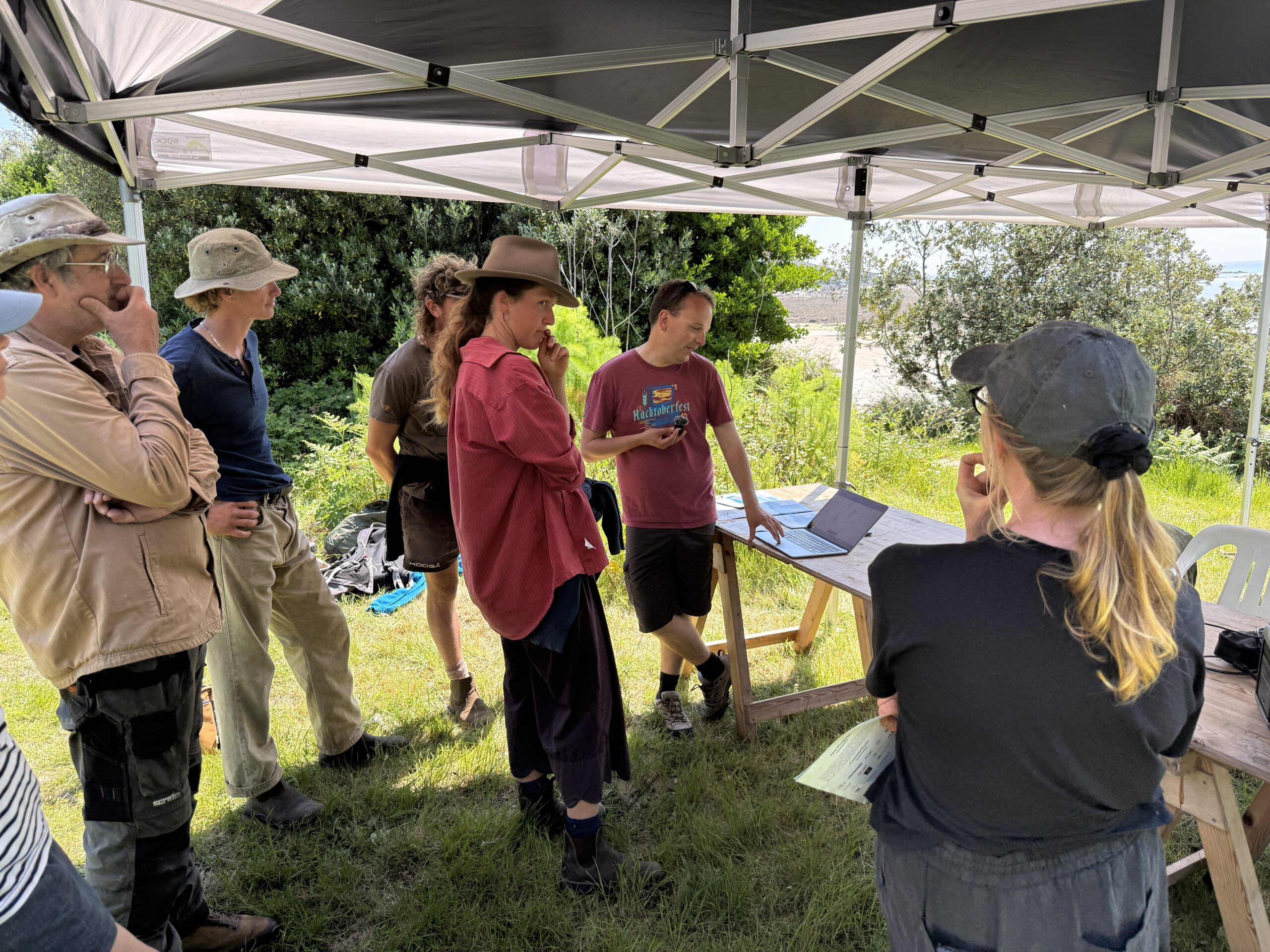
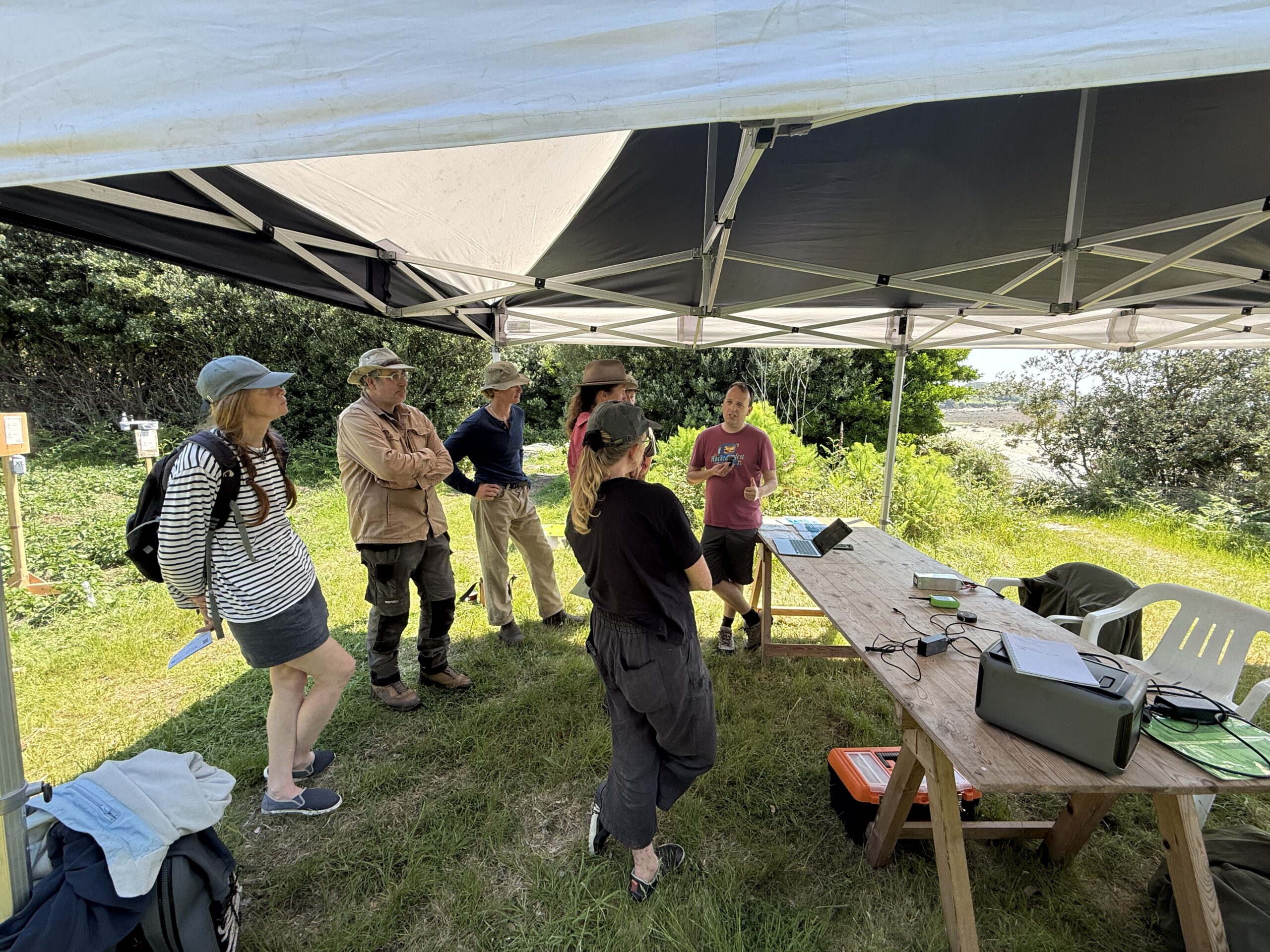
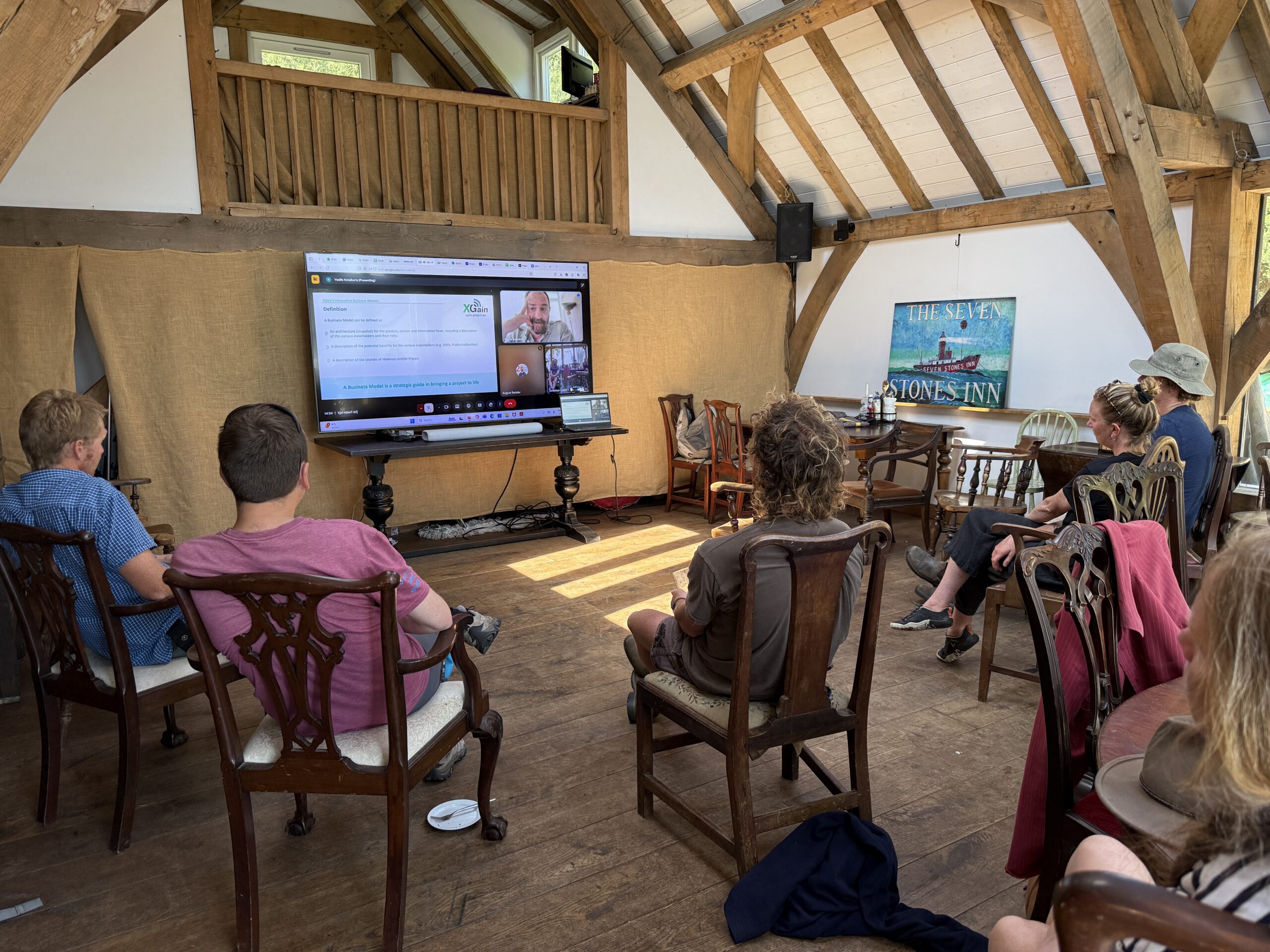
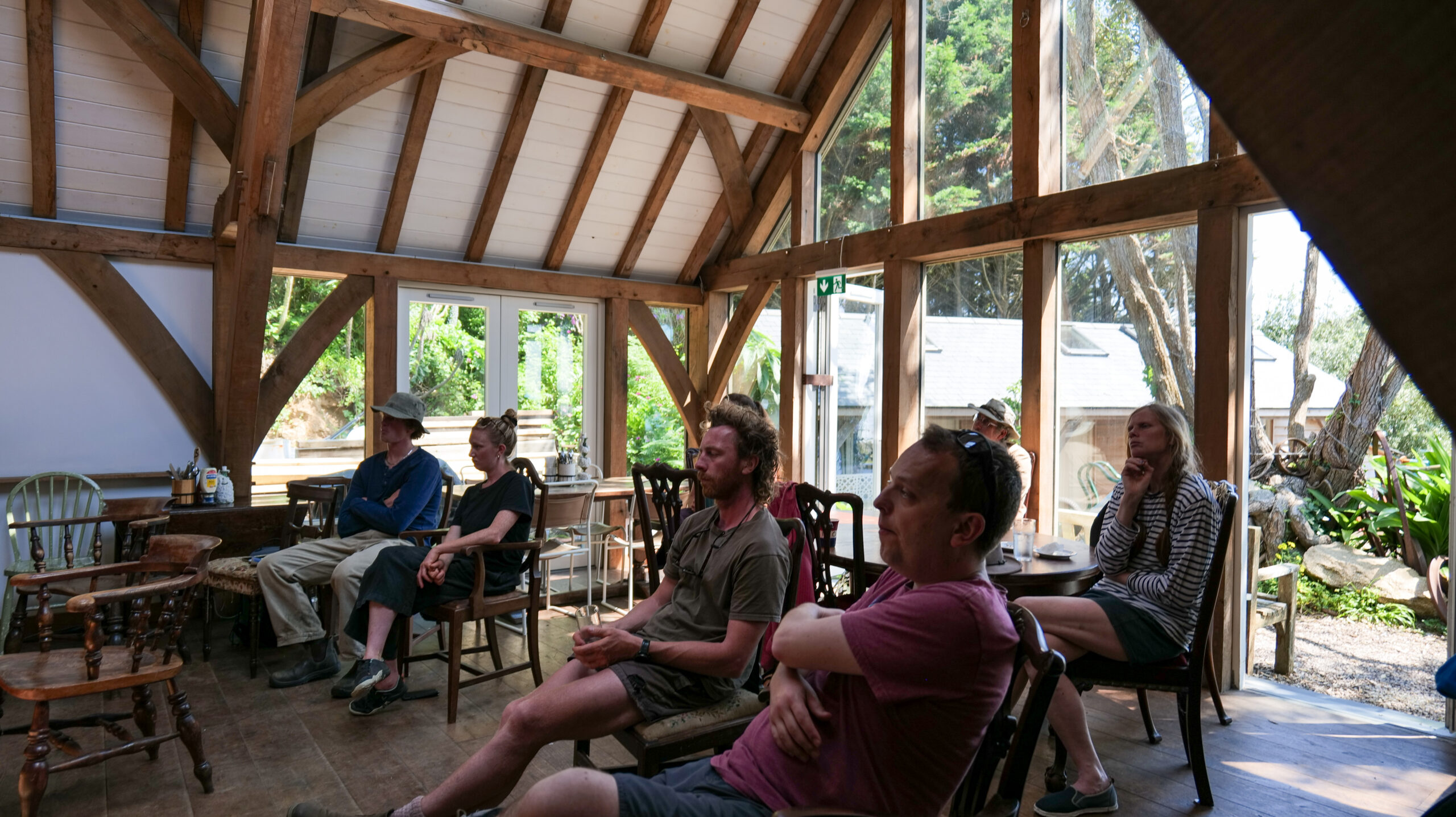
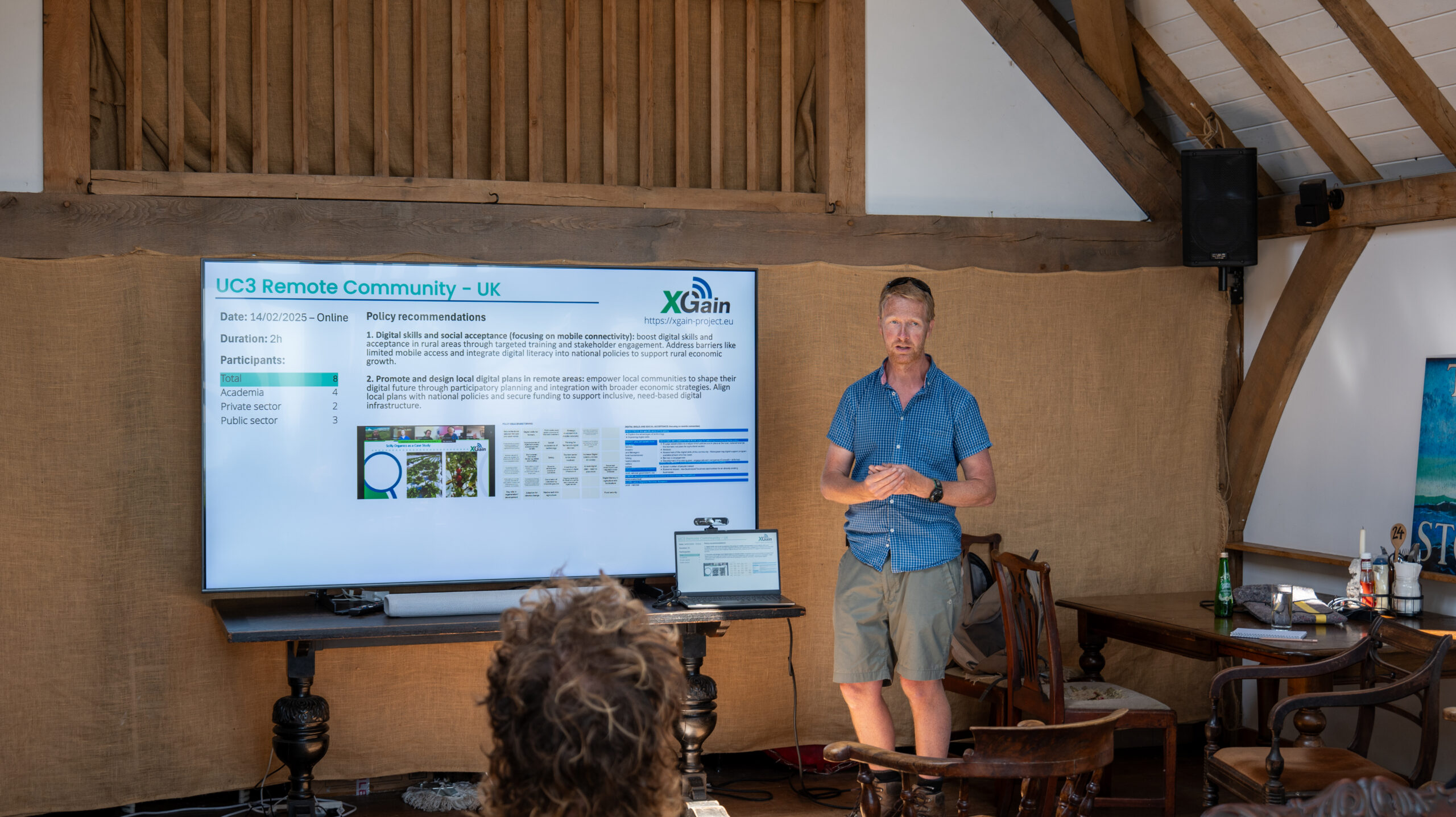
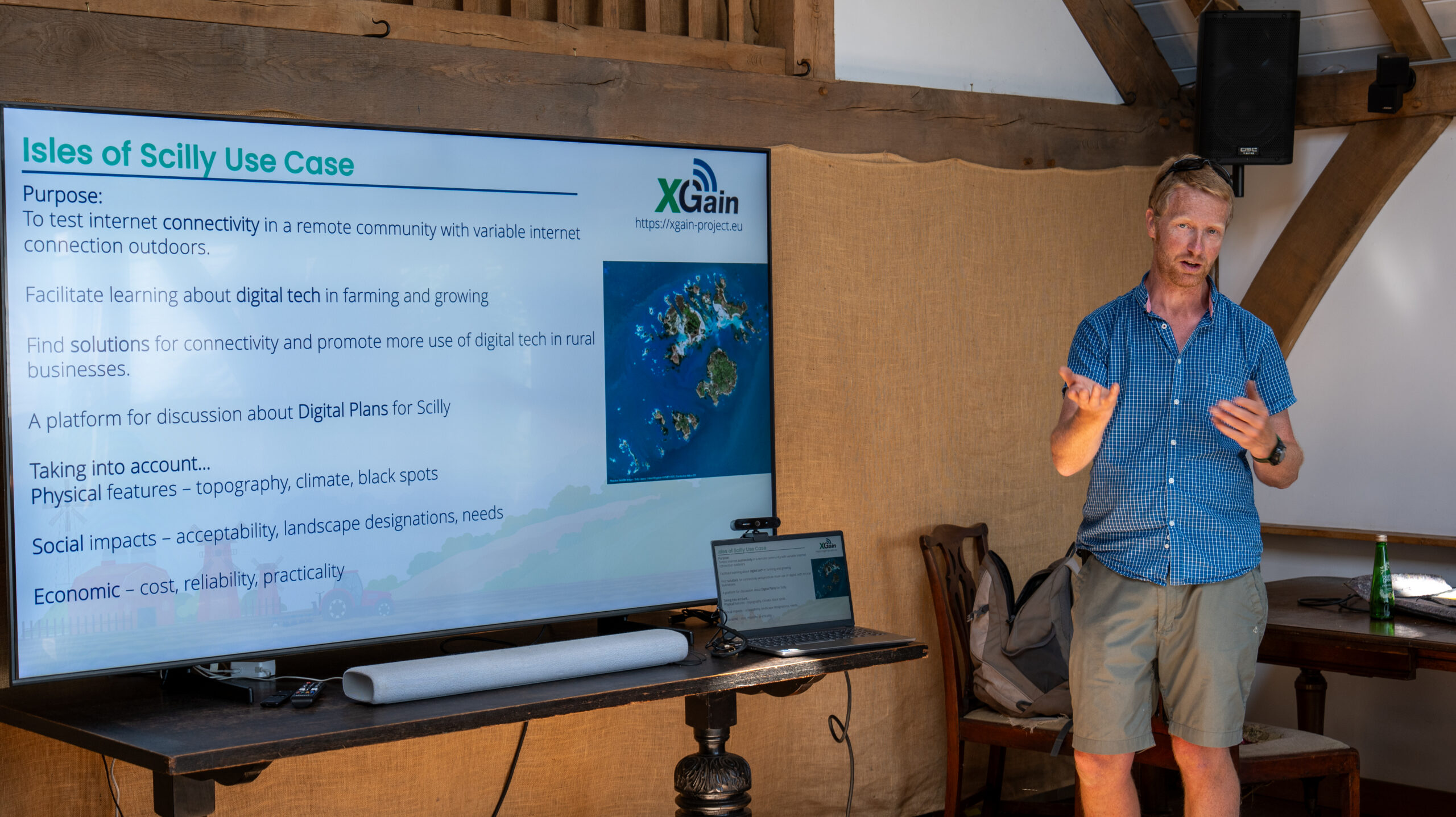
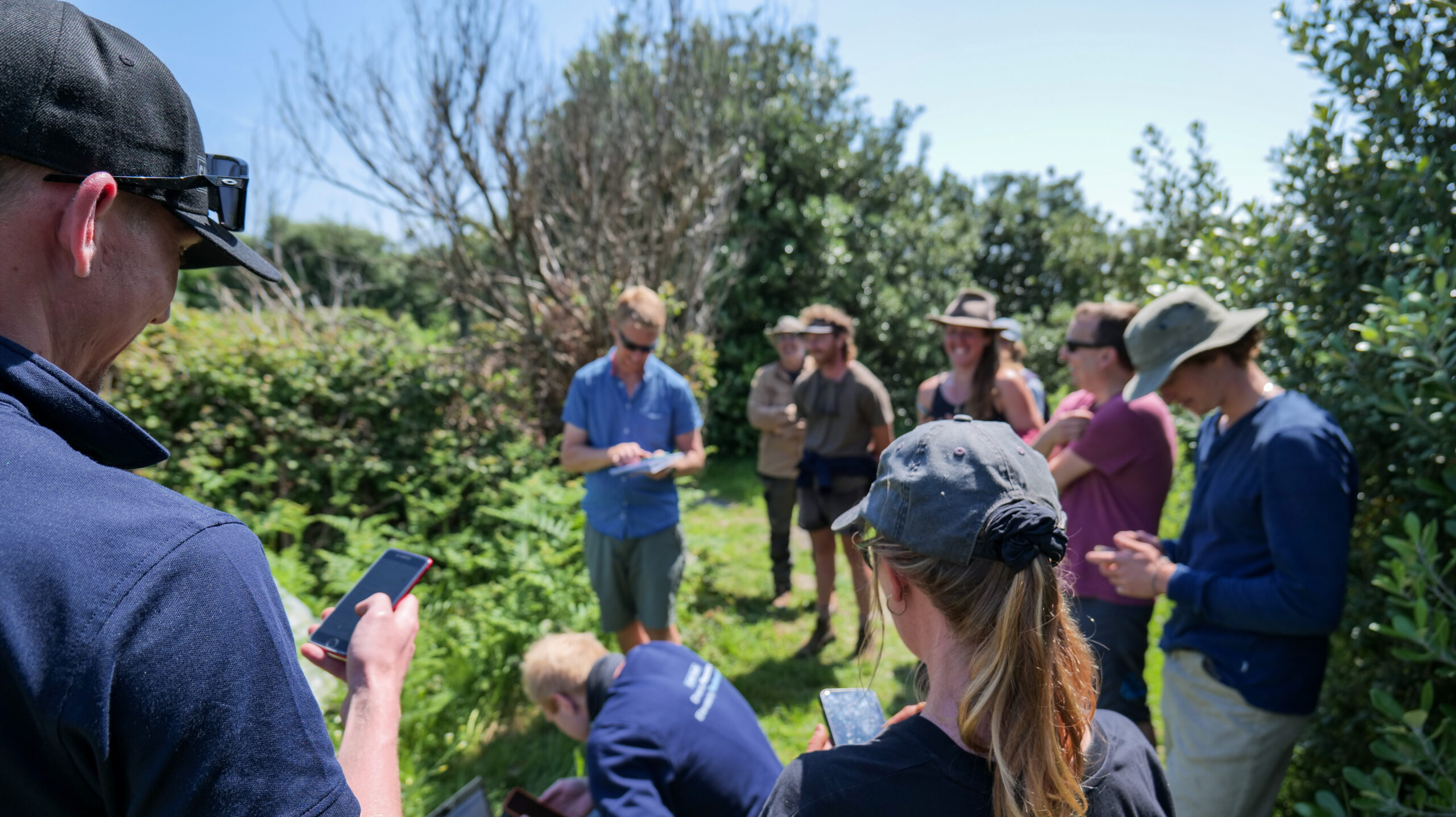
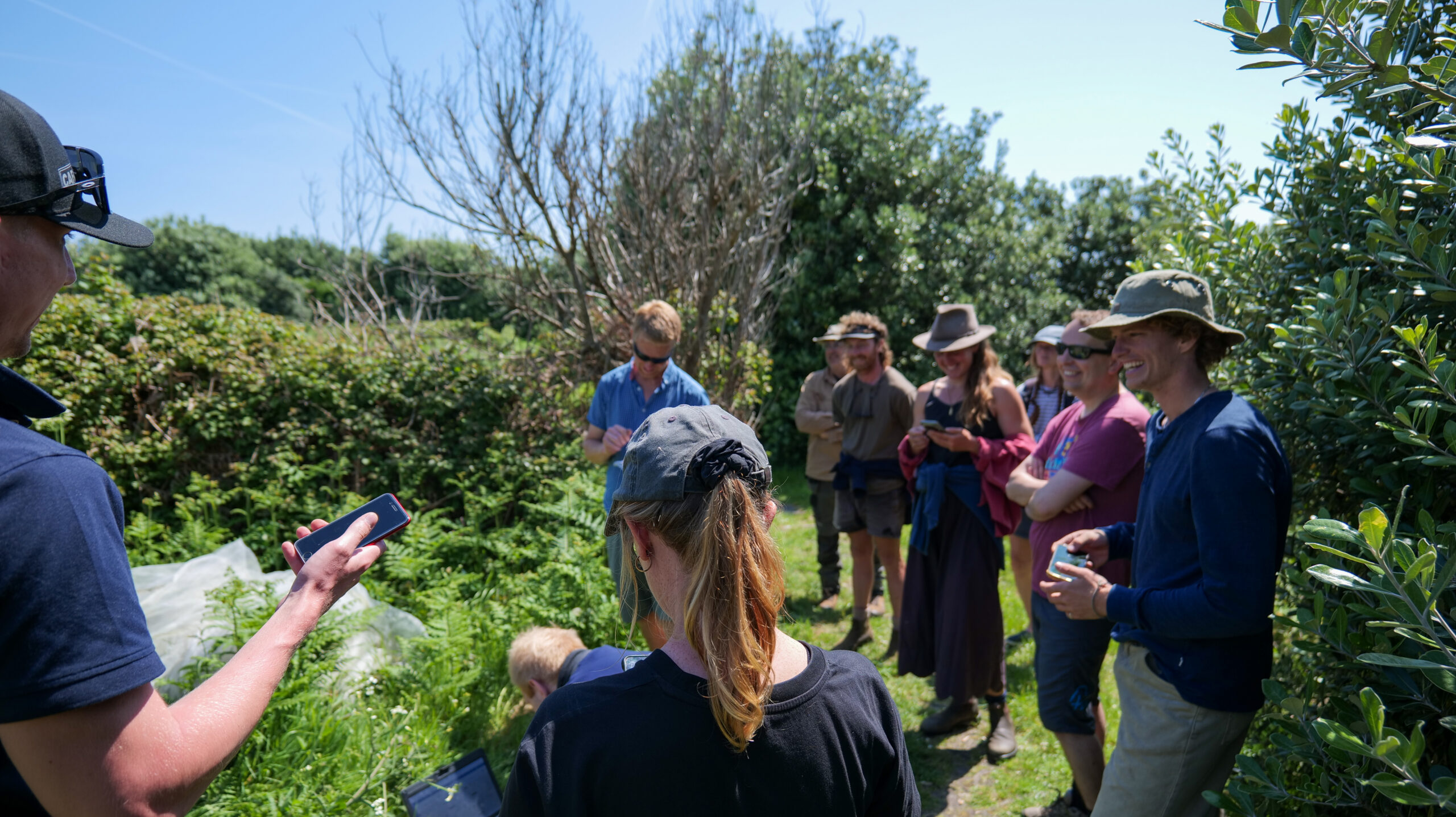
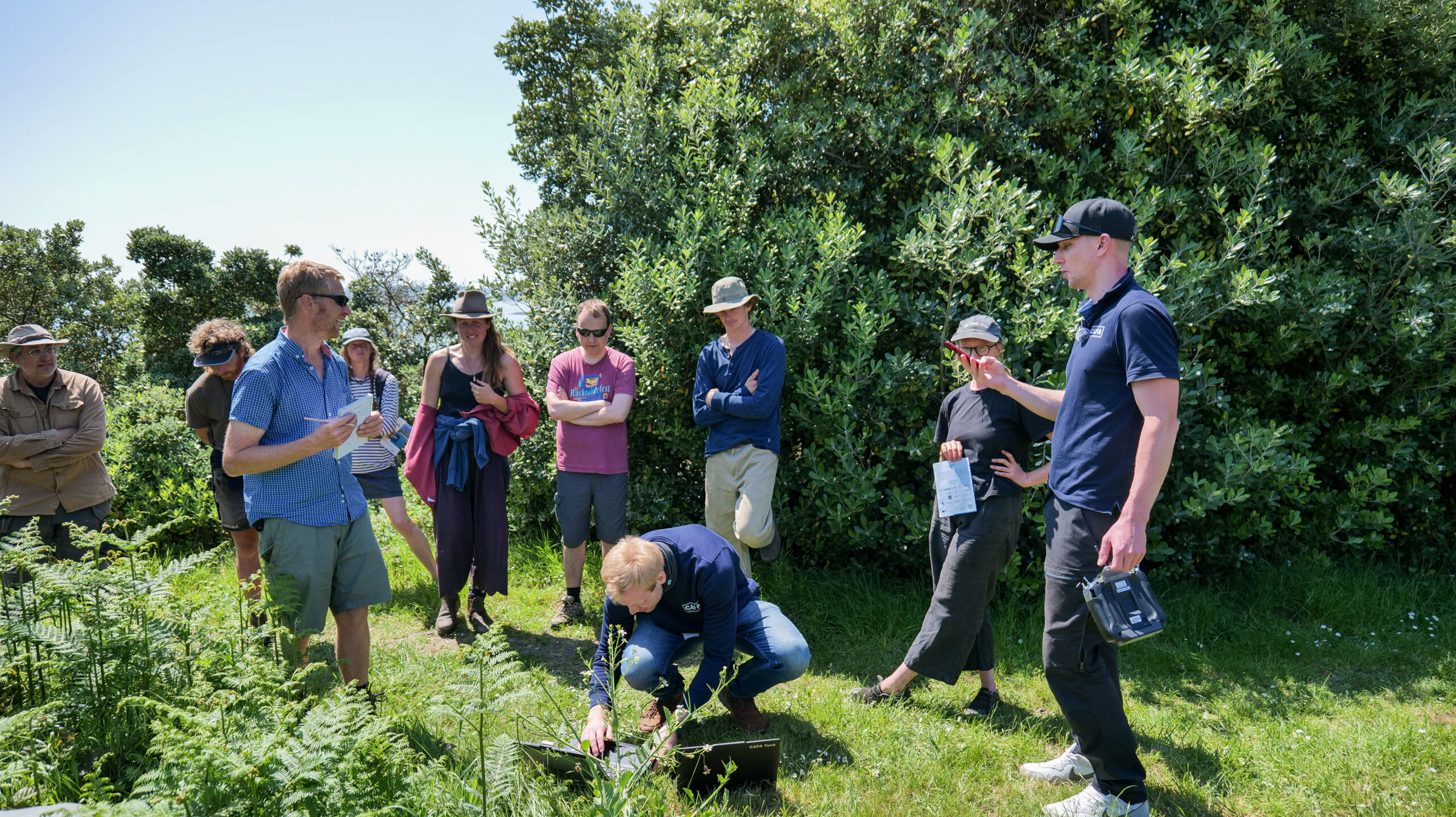
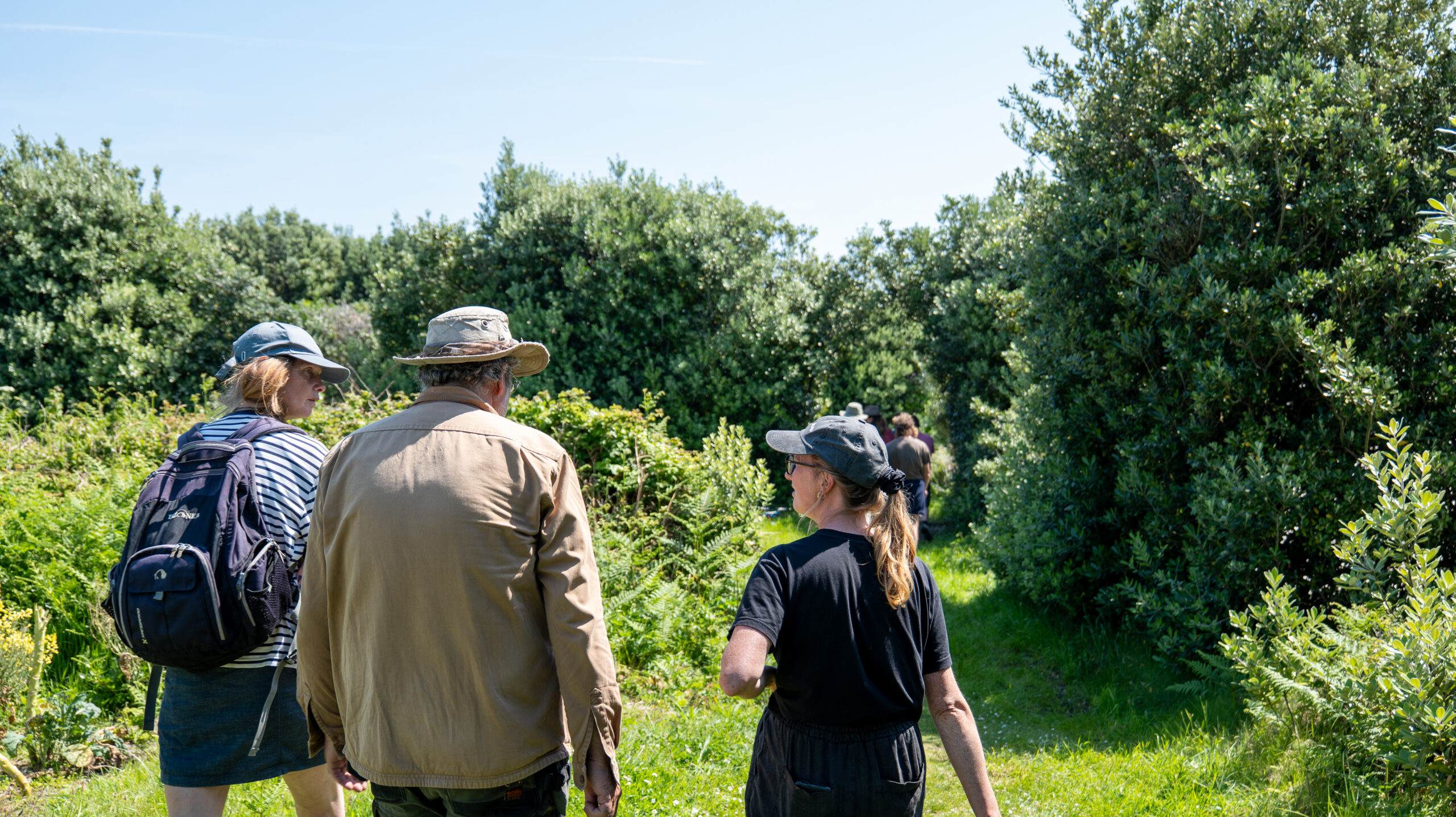
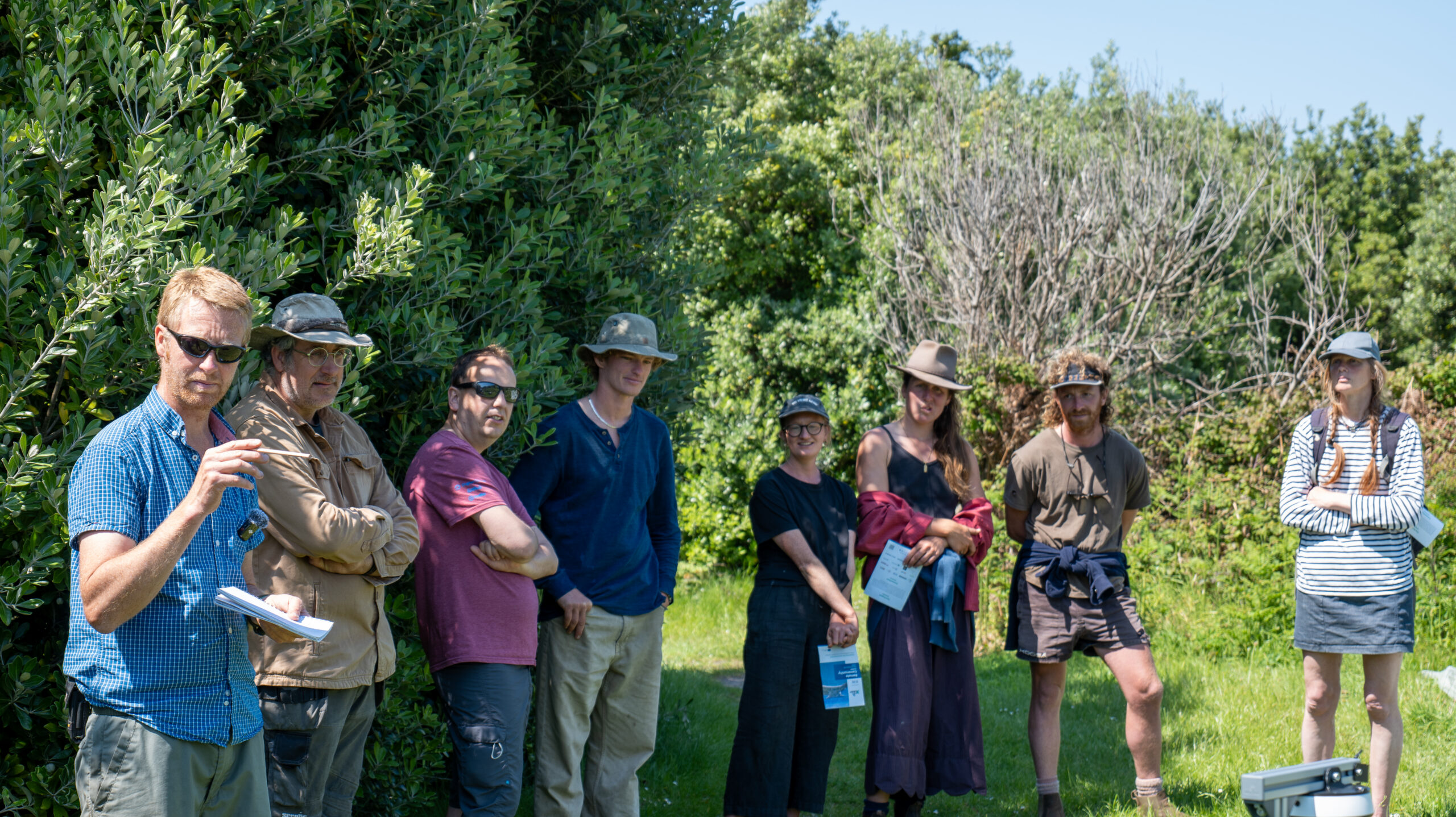
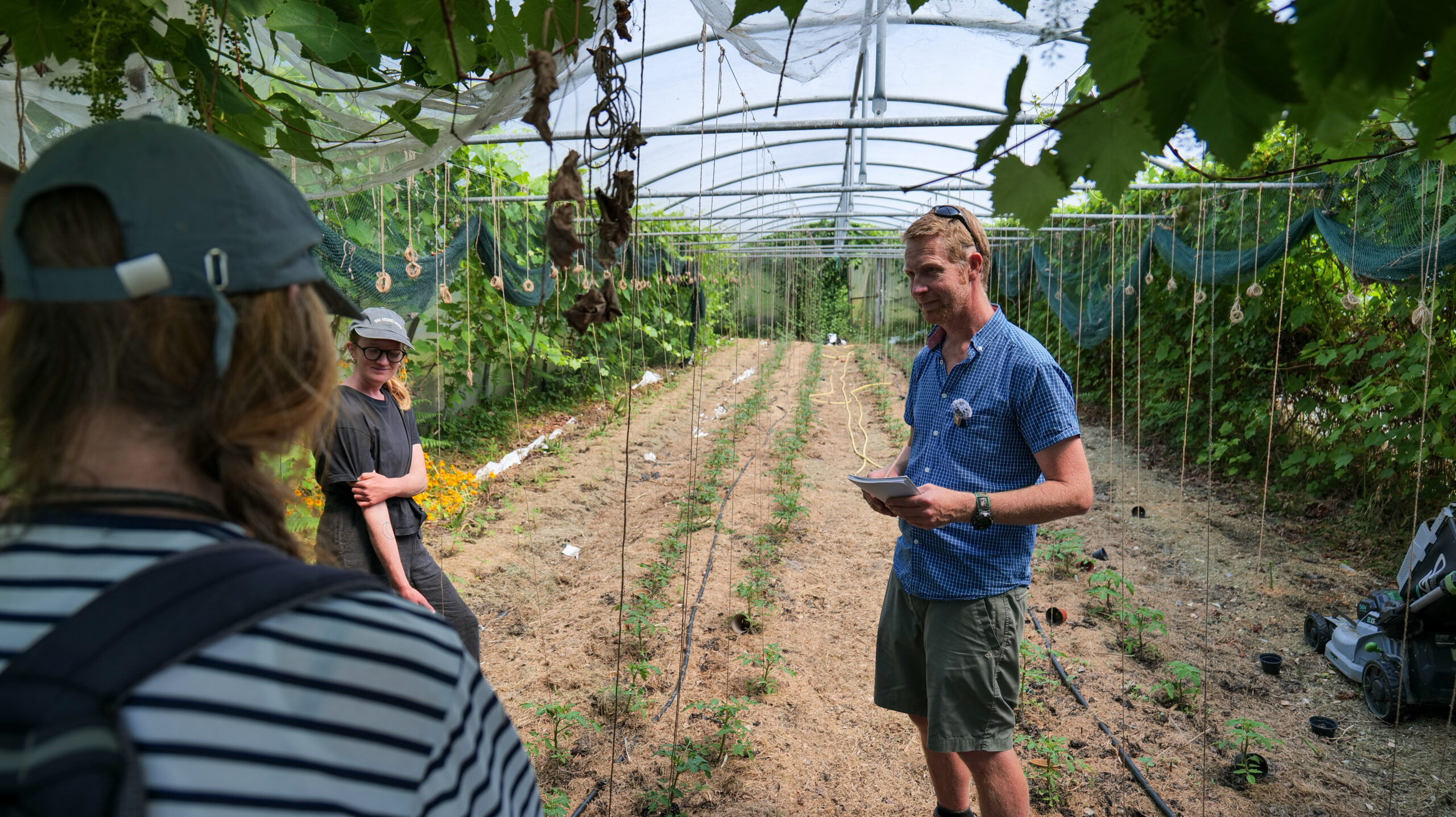
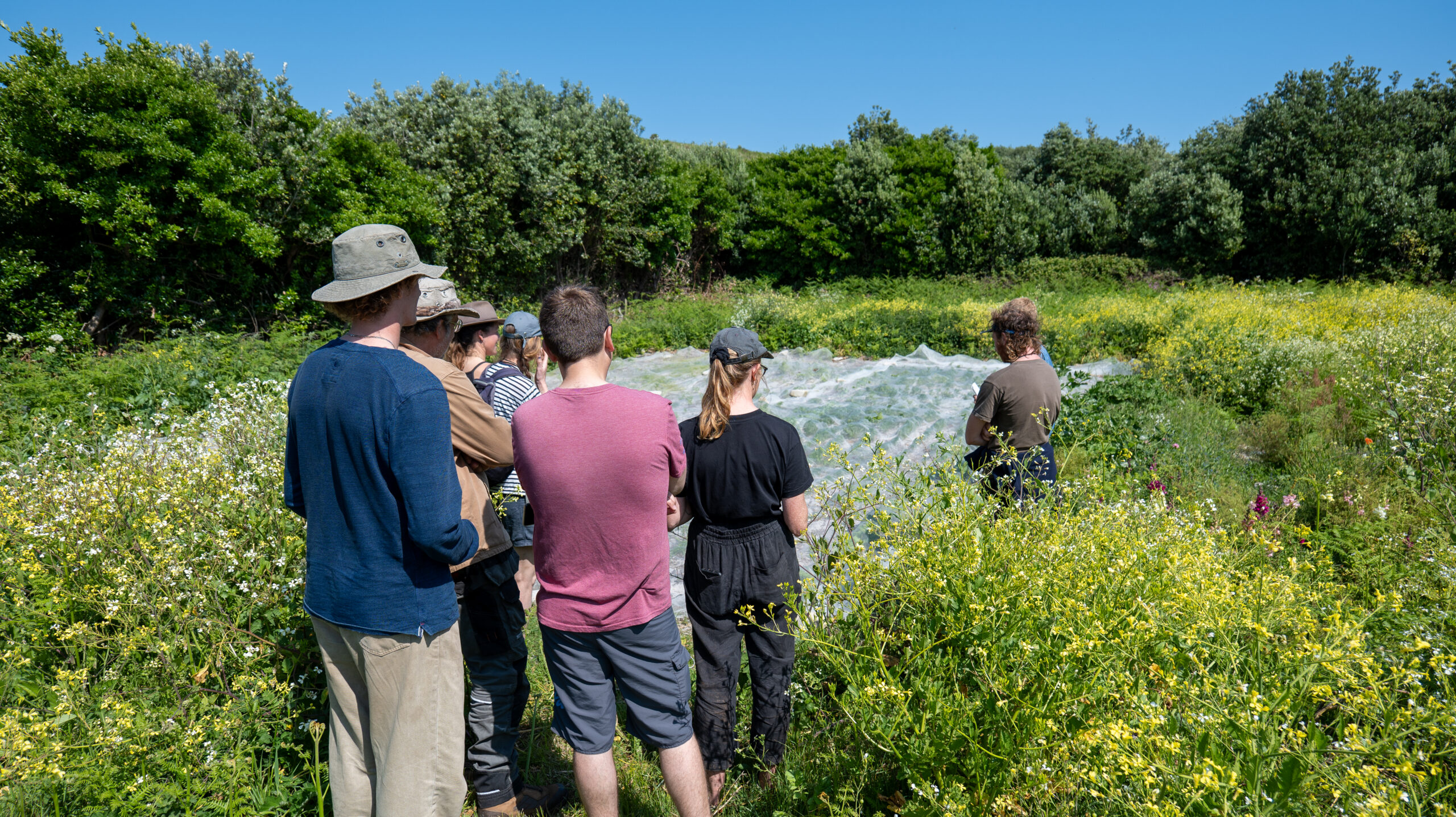
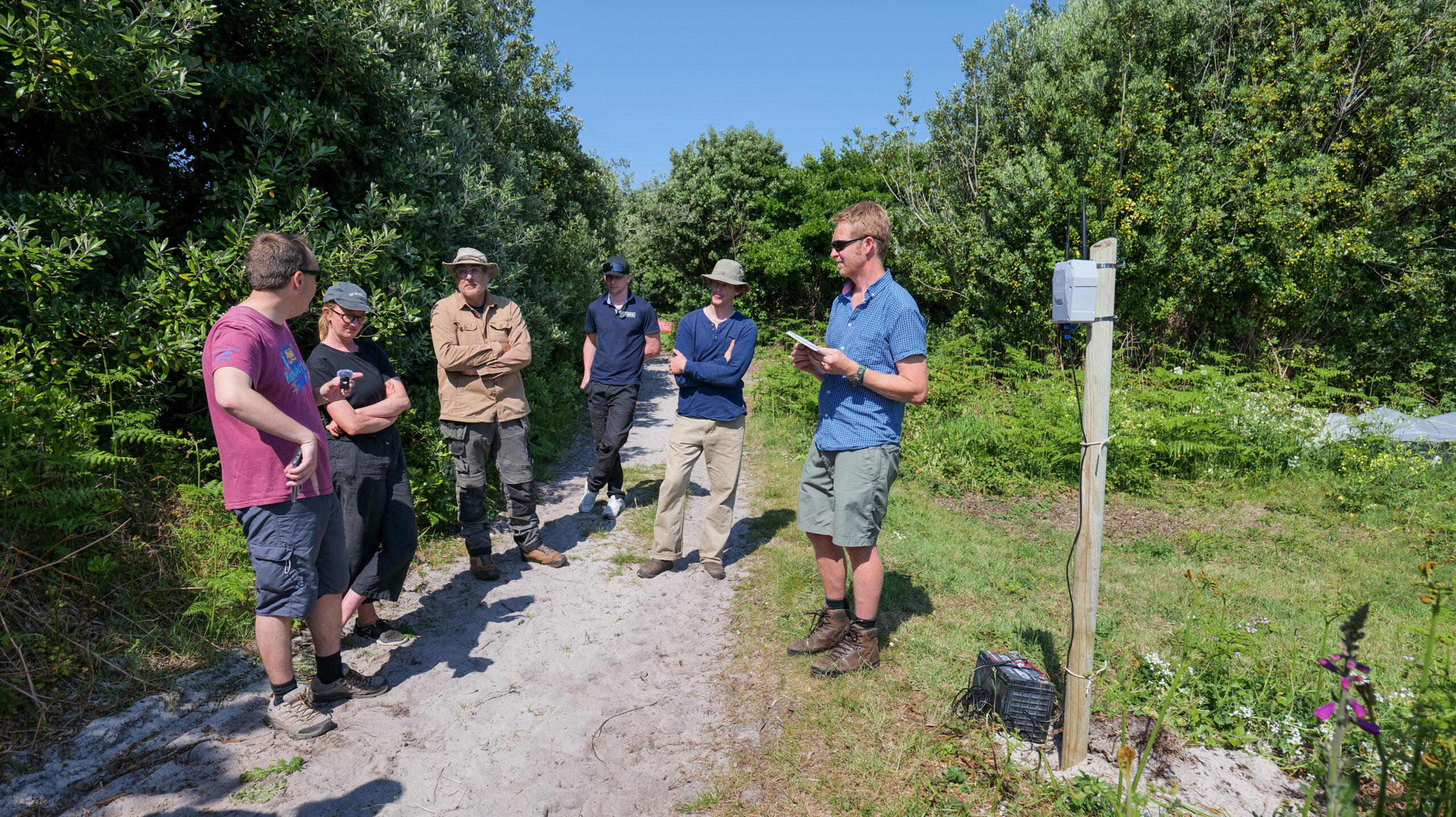
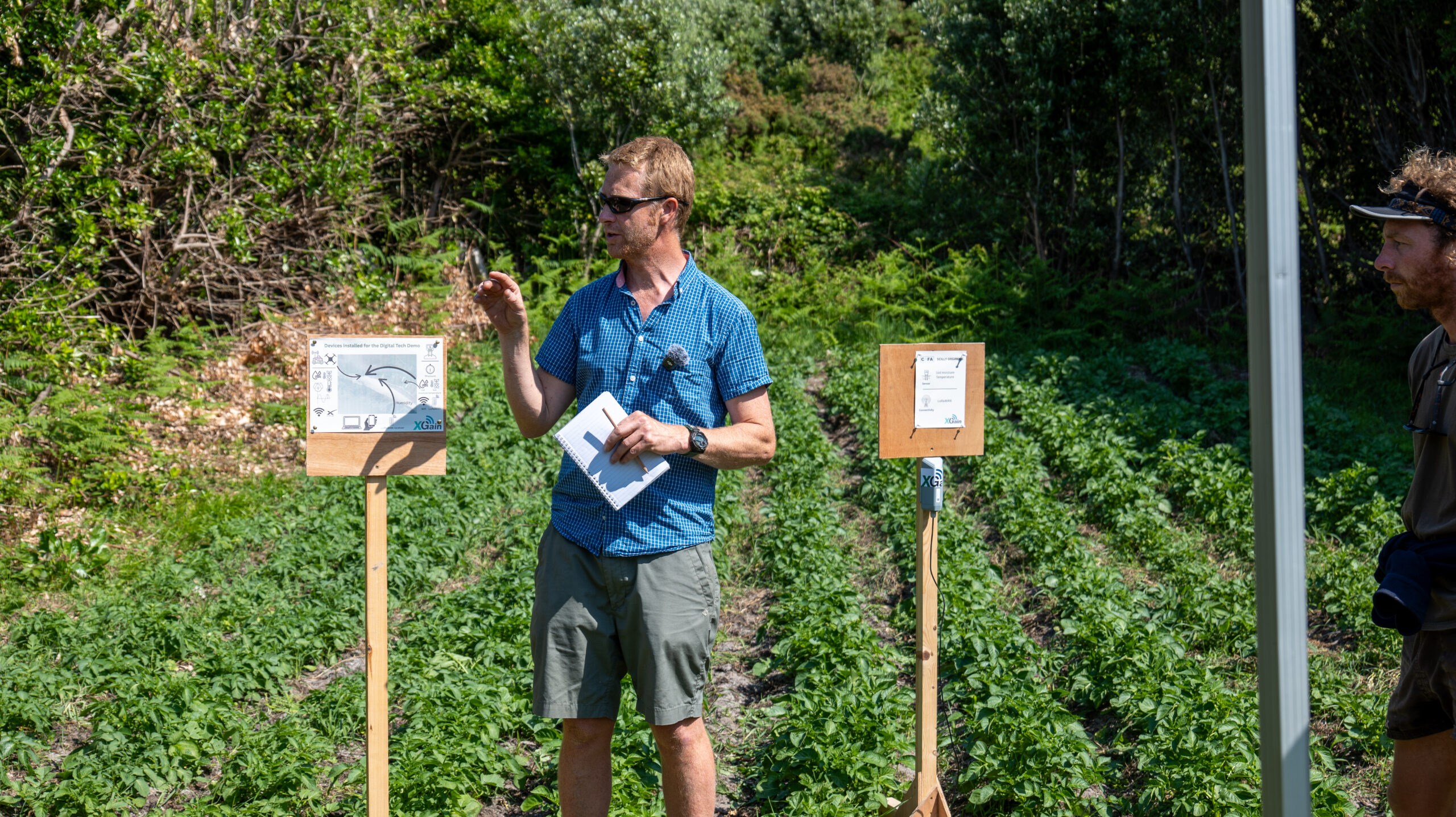
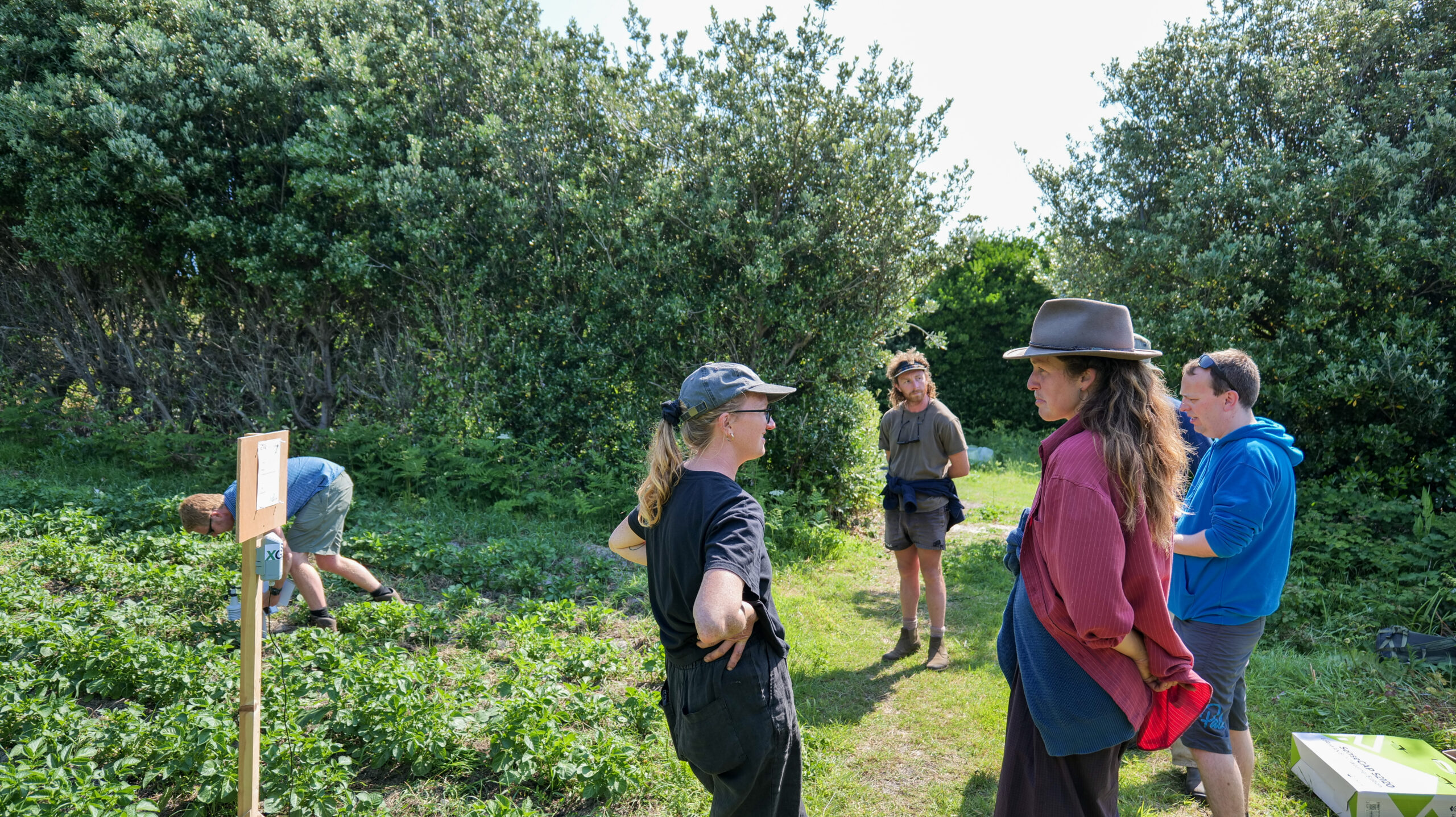
The developed multi-robot system measures three different soil characteristics, provides overview of the fields and offers reliable data communication. This system was tested and demonstrated in cooperation with Scilly Organics on St. Martin’s Island of the Isles of Scilly on 15th May 2025. Different farmers from all around the Isles joined the tech demo.
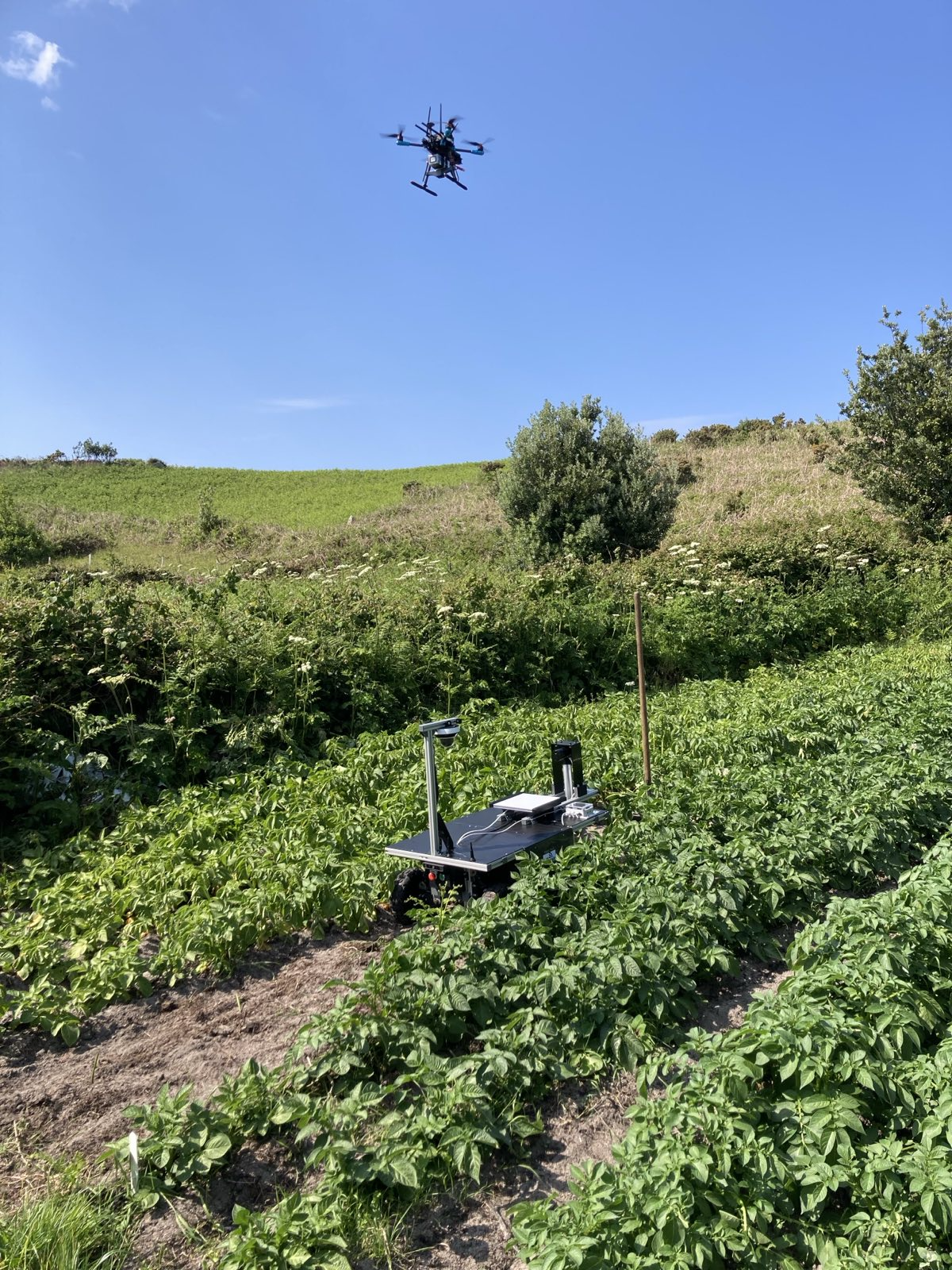
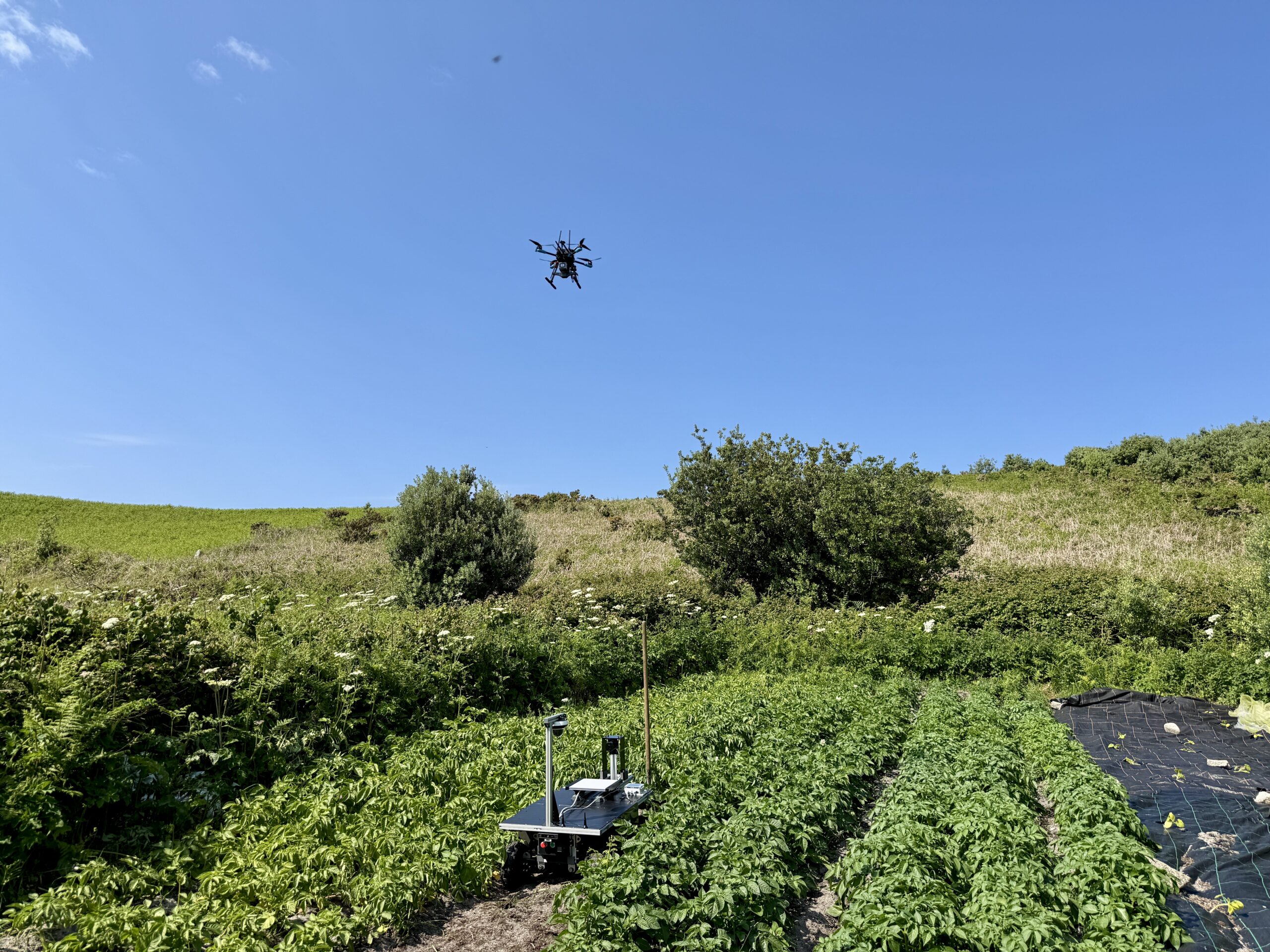
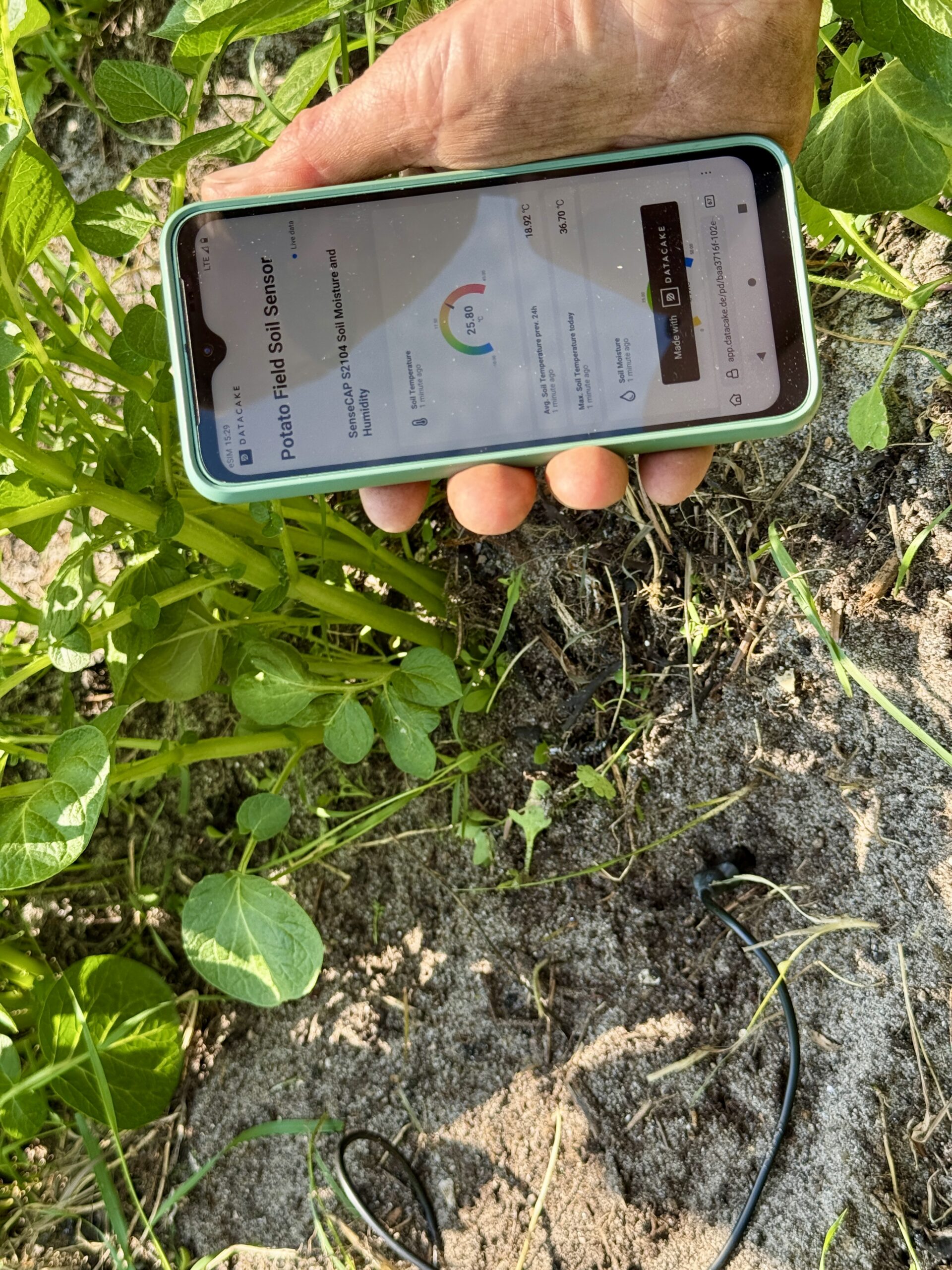
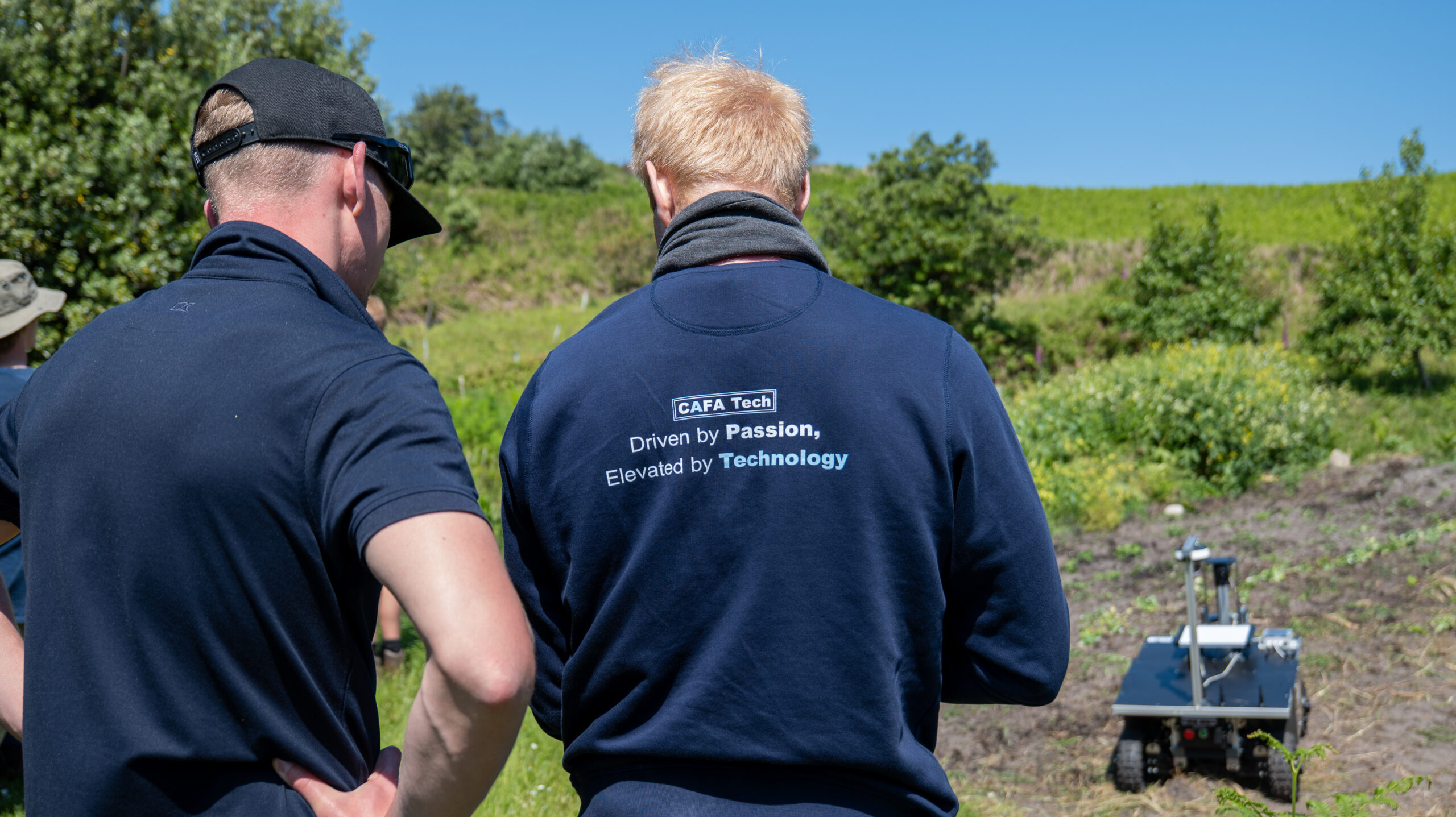
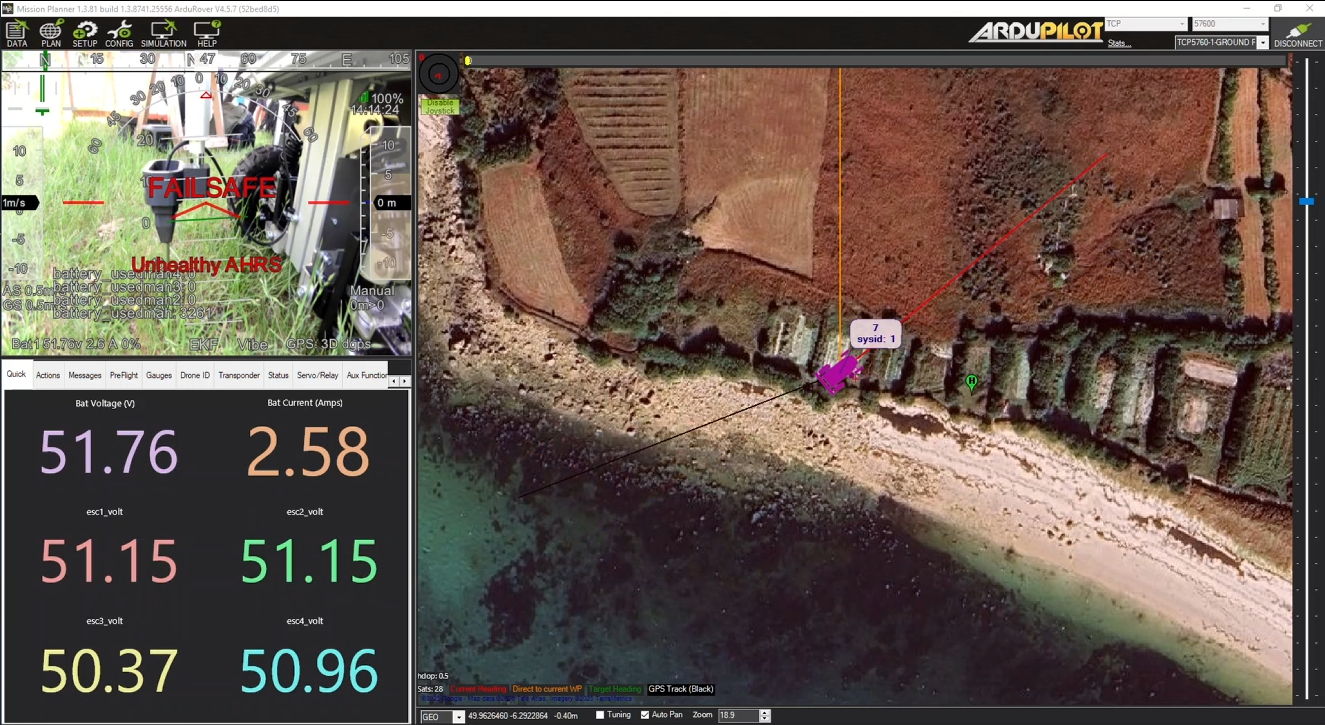
The first part of the test demonstrated the CAFA Worker Robot’s capabilities. This robot provides a way of measuring soil temperature, humidity and electrical conductivity. All the measured data was transmitted to servers and the data was accessible in numerical form as well as in graphs. The rugged terrain of the farmland proved no problem for the robot. In addition, the remote control capabilities of the robot were demonstrated in the showcase of remotely accessible cameras on the robot, making it possible to control the robot without being near it.
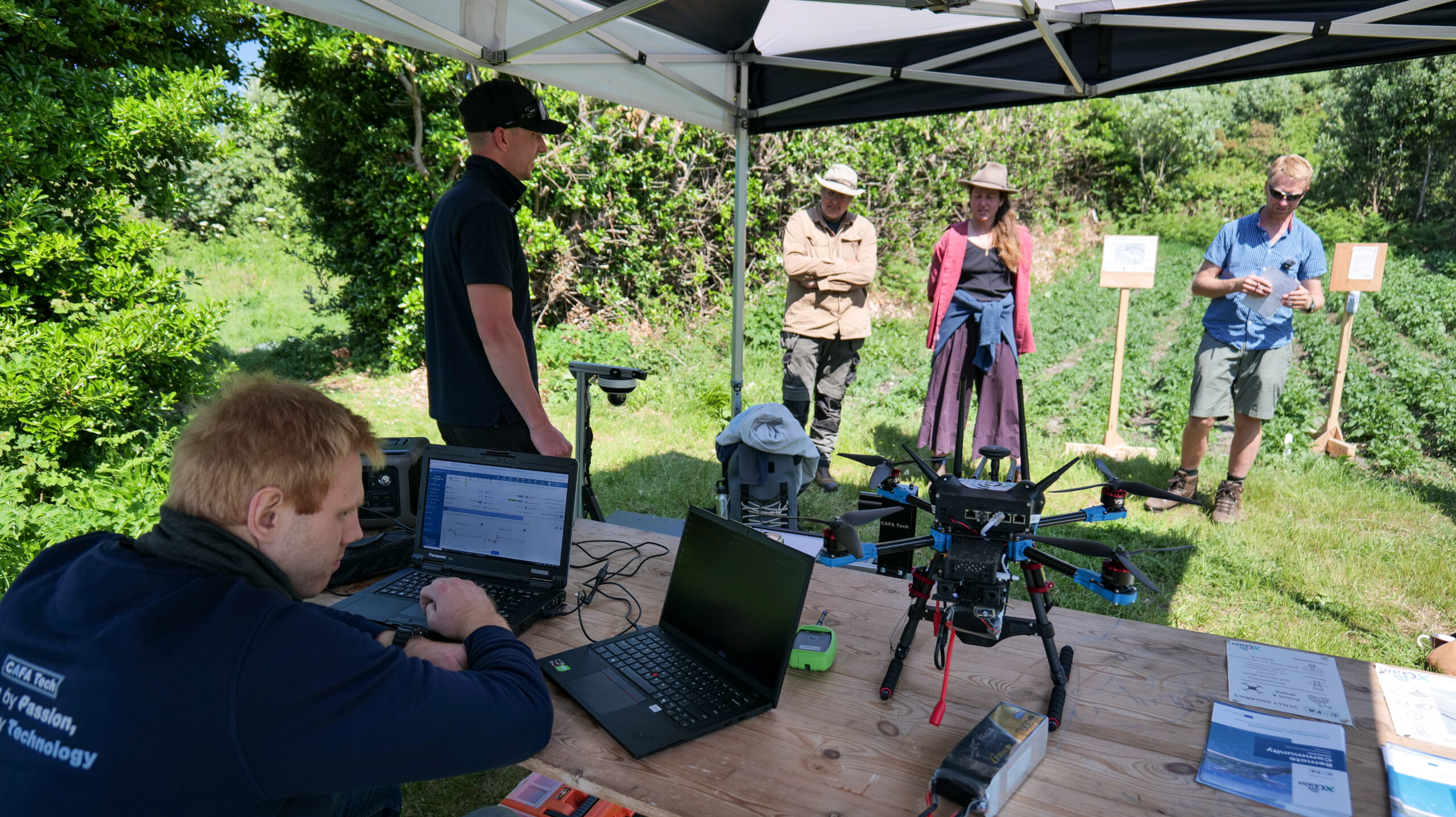
The second part of the test demonstrated the drone’s capabilities for farmland inspection and for providing an internet connection. The drone’s machine vision system successfully identified foreign objects in the field. On the connectivity side, the drone generated WiFi SSID that was demonstrated to the farmers to show that the drone can share network connection if needed. In addition, internet speed tests were performed at different altitudes that showed that the connectivity improved when the drone flew higher. Another solution that CAFA tested, was the Starlink router on the UGV which provided internet connectivity via satellite. Starlink showed great potential to get internet connectivity to rural areas, especially when there’s no decent mobile connection nearby.
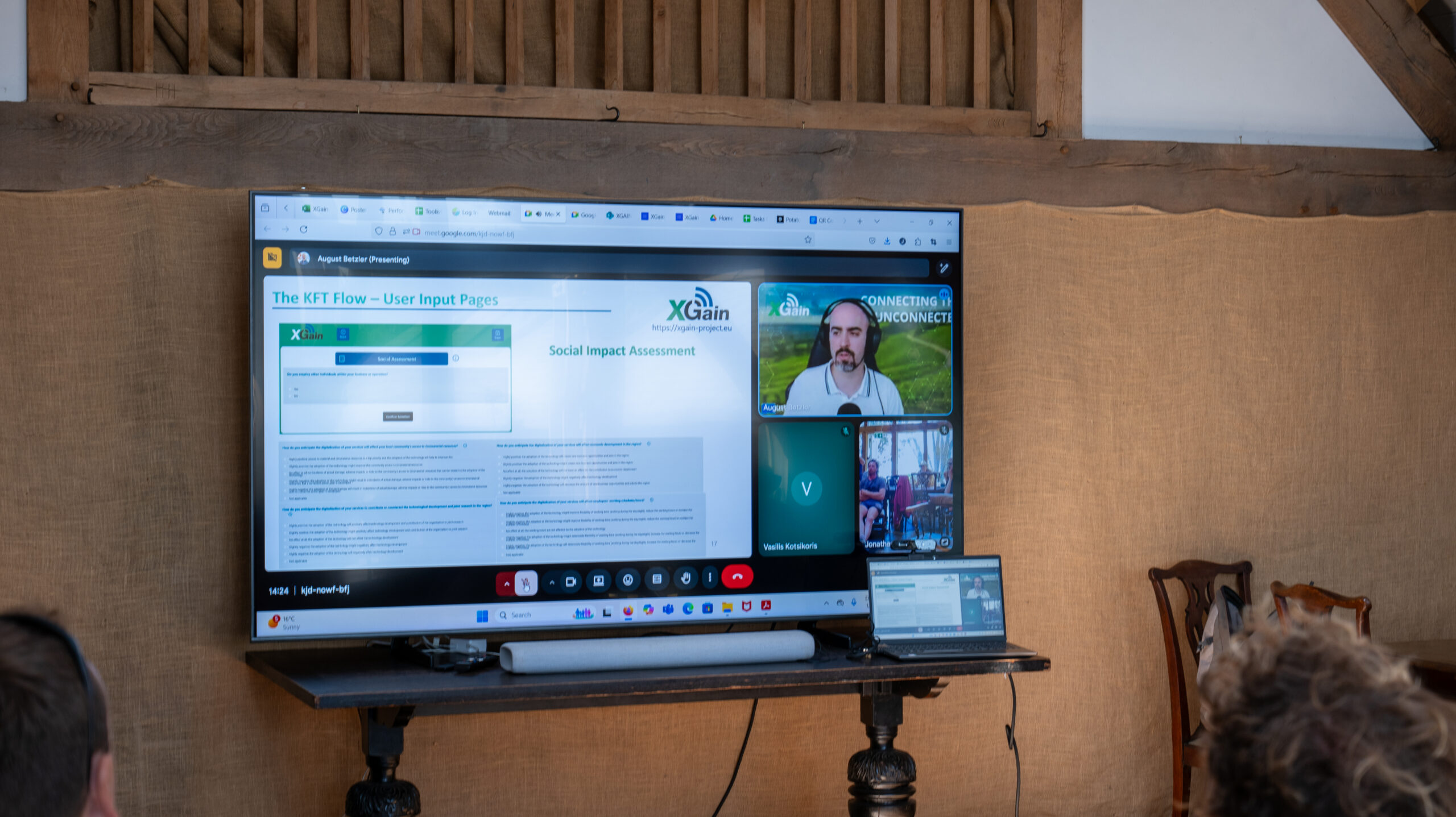
Feedback from stakeholders who attended the demo at Scilly Organics- confirms a strong support for expanding digital infrastructure on the Isles of Scilly: 60% of respondents expect noticeable economic gains for local enterprises once connectivity improves, and 80% are likely to adopt the proposed technologies. Equally important, every interviewee believes that exposure to new tools will lift digital literacy—addressing a need already identified among several farmers. Although respondents were ambivalent about effects on working hours and cautioned that small- to medium-scale farms benefit more from incremental improvements than sweeping “revolutions,” they still foresee modest energy savings and clear management advantages (e.g., data-driven irrigation decisions).
As the XGain project draws to its conclusion, it has proven to be an important driver for innovation in remote rural areas. A prime example of this is the CAFA Multirobot System as it would have not been developed,- or at least not developed as successfully, if CAFA would have not been part of the XGain project – the new partners made during the project proved to be vital for meeting real world needs. The X-Gain project was not merely bridging the digital and agricultural divide but was also seeding the future of rural and remote communities with the promise of connectivity, sustainability, and economic growth.
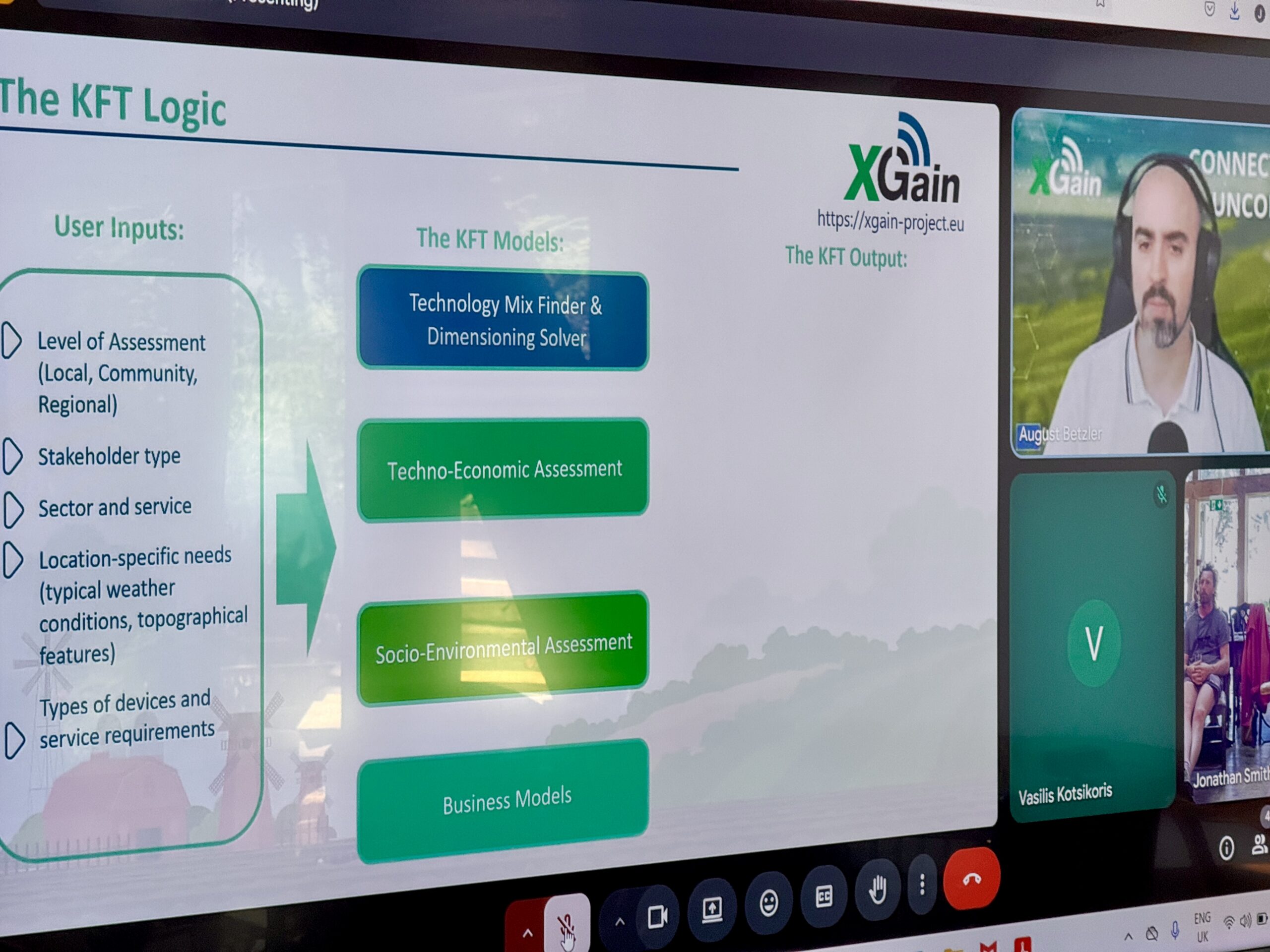

XGain fosters a sustainable, balanced, and inclusive development of rural, coastal and urban areas by facilitating access to relevant stakeholders to a comprehensive inventory of smart XG, last-mile connectivity and edge computing solutions, and of related assessment methods.

Funded by the European Union. Views and opinions expressed are however those of the author(s) only and do not necessarily reflect those of the European Union or the European Research Executive Agency. Neither the European Union nor the granting authority can be held responsible for them.